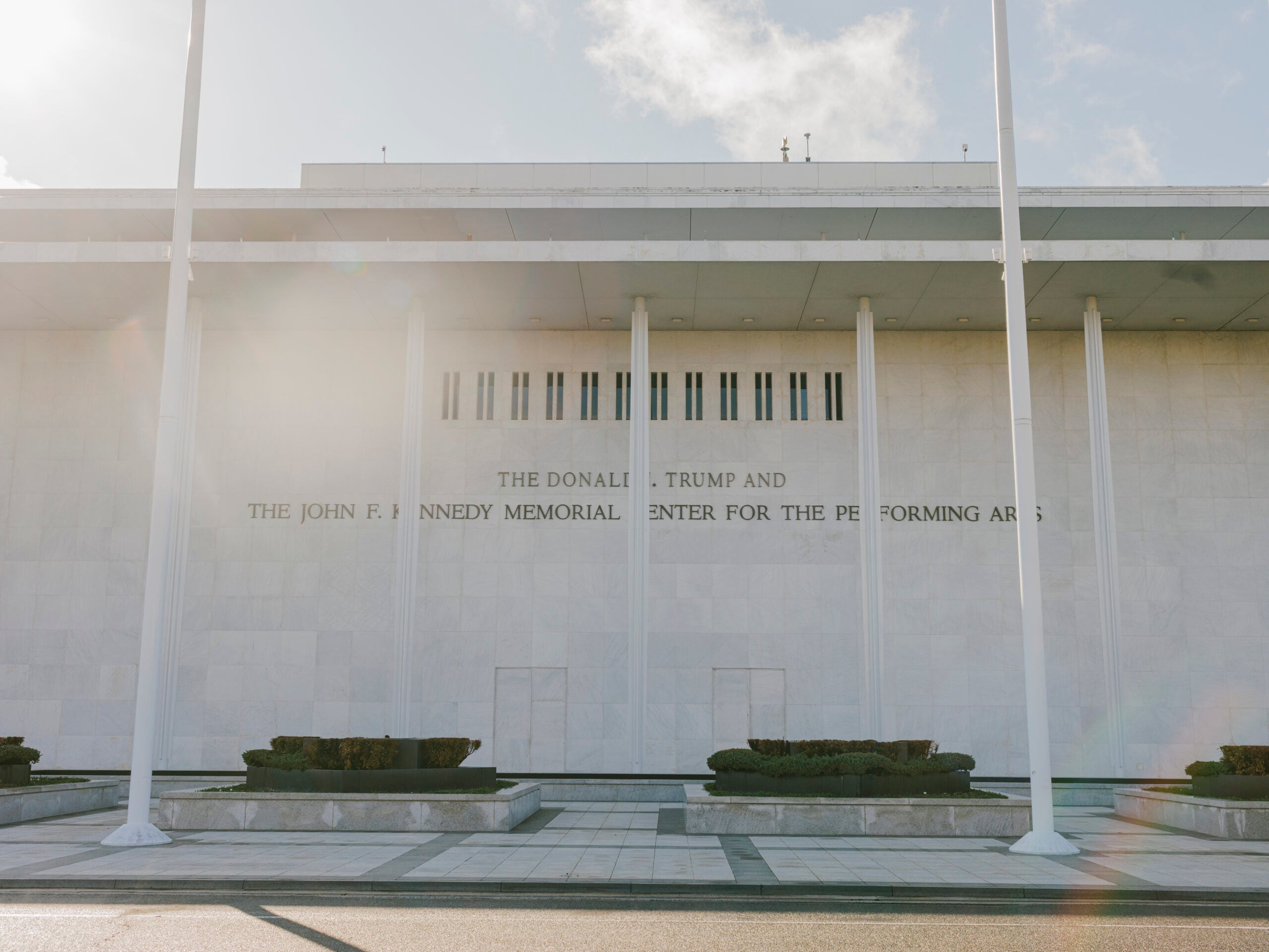
A federal court has dismissed a defamation lawsuit filed by the Kennedy Center against critics who alleged the nonprofit misused federal funds during the Trump administration. The court applied anti-SLAPP doctrine, finding the defendants' speech addressed matters of public concern and the Kennedy Center failed to demonstrate a probability of prevailing on its underlying claims.
The Kennedy Center, the nation's premier performing arts venue, sued after the defendants published statements questioning the organization's handling of coronavirus relief funding and its relationship with Trump administration officials. The defendants argued their criticism constituted protected speech on public expenditure and government accountability.
The court sided with the defendants. Under anti-SLAPP statutes, plaintiffs must clear an initial threshold by pleading facts sufficient to constitute a viable defamation claim. The Kennedy Center could not satisfy this burden. The court found the defendants' statements involved matters of significant public interest: federal spending, nonprofit governance, and official accountability. The statements, though critical, addressed public issues rather than private facts about individuals.
This decision reinforces the expanding application of anti-SLAPP protections in cases involving public institutions and government accountability. Courts increasingly recognize that organizations receiving taxpayer funds occupy a quasi-public status that subjects their conduct to heightened scrutiny and criticism.
The ruling creates practical implications for nonprofits seeking legal recourse against critics. Even organizations with substantial reputational interests face steep barriers under anti-SLAPP doctrine when challenging speech about their finances or government dealings. The Kennedy Center's loss demonstrates that defamation claims must rest on provably false statements of fact, not contestable characterizations of government relationships or spending decisions.
The decision also reflects judicial skepticism toward litigation aimed at silencing debate over public funding. Courts recognize that such suits, regardless of their merit, often function to chill speech and drain defendants' resources through defensive litigation costs. Anti-SLAPP statutes exist precisely to prevent this outcome.
For nonpro