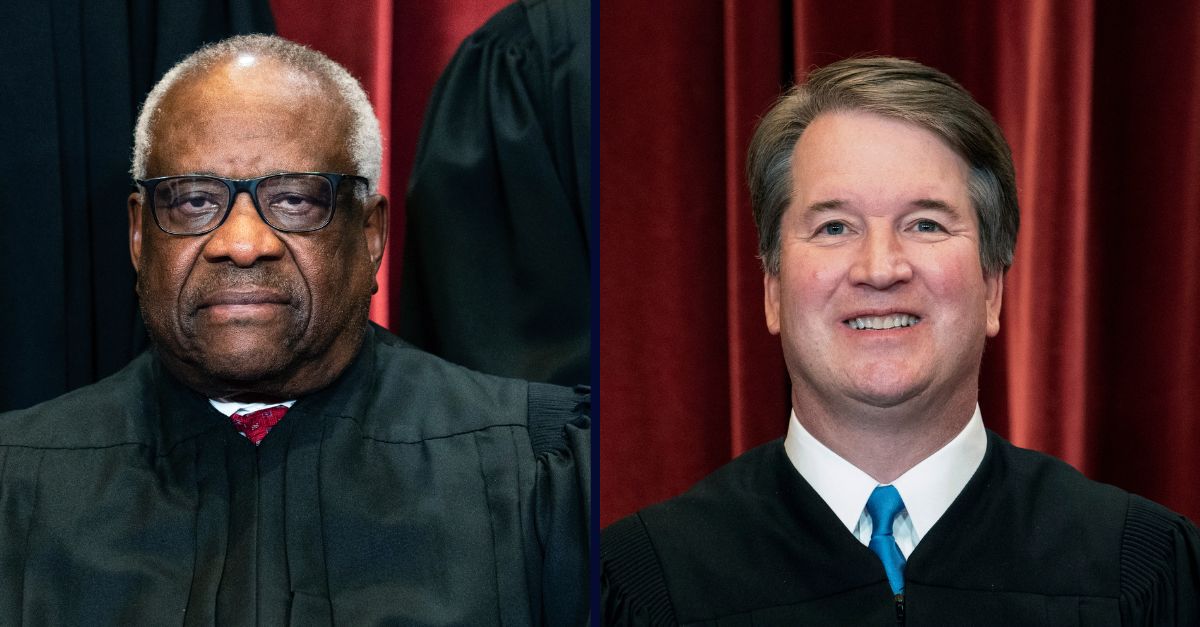
The Supreme Court vacated a murder conviction and death sentence after finding the prosecutor engaged in unconstitutional conduct. The decision addresses whether defendants can face execution when their attorneys potentially committed errors during trial.
The ruling reflects ongoing tension in capital cases between holding counsel accountable for deficient performance and protecting defendants' constitutional rights. Under the Sixth Amendment, criminal defendants have a right to effective assistance of counsel. When lawyers fail to challenge prosecutorial misconduct or raise proper objections, courts must determine whether such errors warrant overturning convictions and sentences.
Prosecutors bear constitutional obligations under Brady v. Maryland and its progeny to disclose exculpatory evidence and avoid making false statements to courts. When prosecutors violate these duties, defendants face a dilemma: their own counsel may have failed to object forcefully or may have missed the violation entirely during trial. The question becomes whether a defendant should lose his life over counsel's fumbling when the government itself broke constitutional rules.
The Supreme Court's decision signals that fundamental fairness demands relief even when defense counsel may shoulder some blame. Capital cases receive heightened scrutiny because the stakes involve irreversible punishment. Courts recognize that removing a death sentence does not necessarily free the defendant but returns the case for resentencing or retrial with proper procedures intact.
This ruling has practical implications for thousands of inmates on death row. Many cases involve prosecutors who withheld evidence, presented false testimony, or made improper arguments decades ago. Defendants often discover these violations long after conviction when records surface or investigations reopen old cases. If courts require defendants to point to flawless lawyering to challenge prosecutorial misconduct, many death sentences would stand despite constitutional violations.
The decision reaffirms that the Constitution's protections exist independent of counsel's performance. While defense attorneys must advocate competently, prosecutors remain bound by higher ethical standards. When government actors breach those standards, courts should not compound the injury by