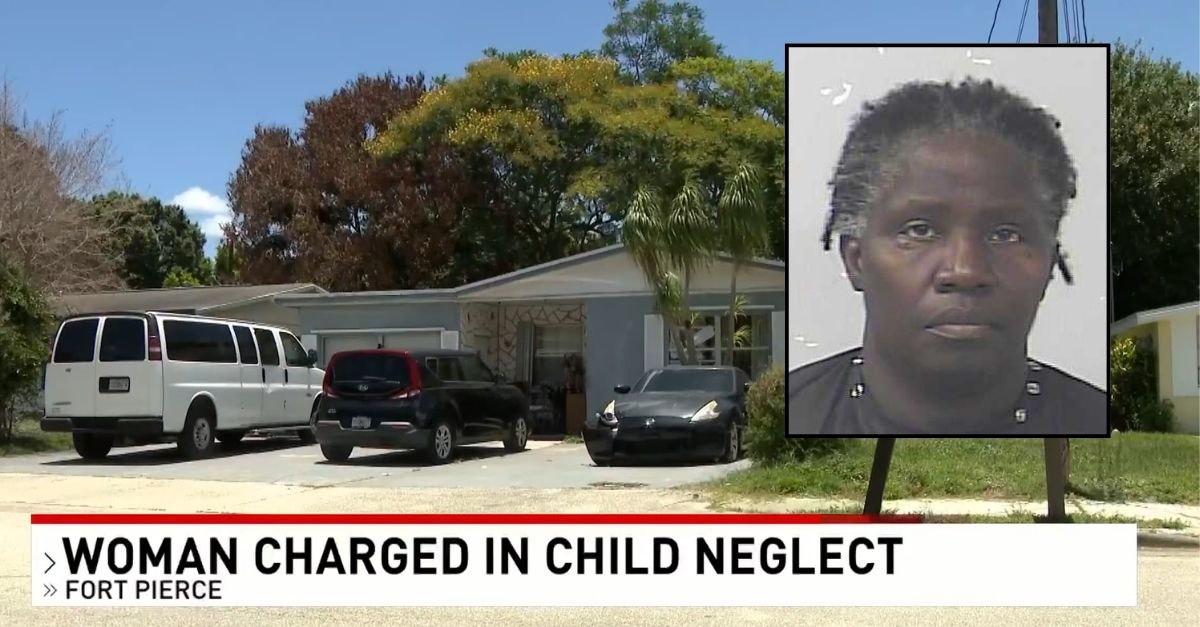
A Florida pastor faces criminal investigation for severe child neglect and abuse involving foster children in her care. Law enforcement alleges she systematically deprived multiple foster children of food, sanitation, and basic living conditions while providing her biological daughter with adequate meals from fast-food restaurants including KFC and Popeyes.
The allegations detail a pattern of intentional deprivation. Foster children allegedly bathed using only a garden hose, while the pastor's daughter accessed indoor bathroom facilities. The foster children reportedly used a bucket as a toilet, a condition not imposed on the biological child. Investigators documented that foster children experienced food scarcity and malnutrition while the pastor's daughter consumed restaurant meals regularly.
These facts establish potential violations of Florida's child abuse and neglect statutes. Florida Statute Section 827.03 criminalizes child abuse when a person willfully or by culpable negligence causes a child physical or mental injury. The deliberate withholding of food, denial of sanitation facilities, and discriminatory treatment between foster and biological children support charges of intentional abuse rather than mere negligence.
The case raises separate licensing concerns under Florida's foster care regulations administered by the Department of Children and Families. Foster parents must provide adequate nutrition, sanitation, and living conditions meeting state standards. Violations can result in license revocation and civil liability alongside criminal prosecution.
The religious status of the accused—identified as a pastor—does not shield her conduct from criminal liability. Religious belief offers no defense to child abuse charges under established Florida case law.
Law enforcement conducted investigations leading to criminal charges. The specific charges, arrest status, and court assignment remain subject to the state's charging procedures. Prosecutors may pursue felony charges for aggravated child abuse given the severity and duration of the alleged conduct.
This case demonstrates the enforcement gap between foster care licensing and actual oversight. Foster children remain among the most vulnerable populations