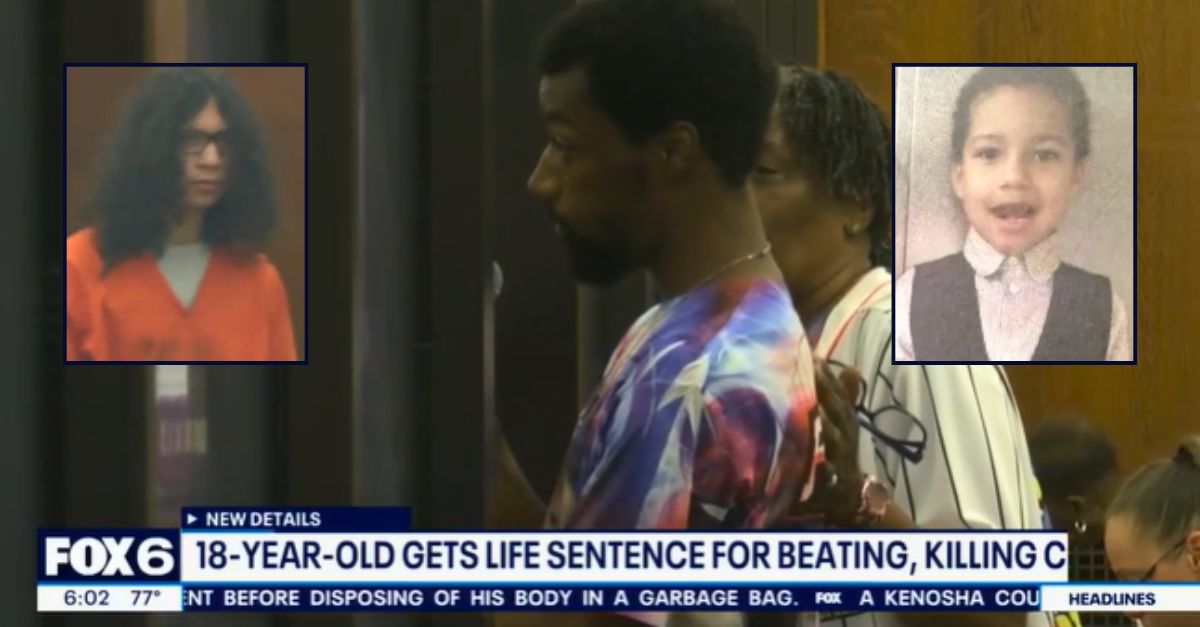
A Wisconsin man convicted of beating a five-year-old boy to death with a golf club and birdbath will likely serve a life sentence without parole. The defendant was 15 years old at the time of the killing.
During sentencing, the victim's father delivered an impact statement while standing behind protective glass, addressing his son's killer directly. The father expressed his anguish with stark language, saying "I wish this guy would die and burn." The glass barrier separates victims and their families from defendants in courtrooms, a standard security measure.
The case involved brutal facts. The teenage defendant used multiple weapons, including a golf club and birdbath, to kill the young child. Wisconsin courts determined that a life sentence without the possibility of parole was appropriate for this offense, despite the defendant's age at commission.
This case raises the continuing legal debate over juvenile sentencing. Wisconsin permits life sentences without parole for juveniles convicted of homicide. Advocates argue that children's brains are still developing and deserve rehabilitation opportunities. Prosecutors counter that the severity of certain crimes warrants permanent incarceration, even for young offenders.
The sentencing reflects Wisconsin's approach to violent juvenile offenders. Unlike some states that have abolished life-without-parole sentences for minors, Wisconsin maintains this sentencing option for the most severe cases. Defense arguments about the defendant's age appear to have carried less weight than the brutality of the attack.
For the victim's family, the sentence provides finality but not closure. The father's emotional statement at sentencing captures the permanent devastation homicide inflicts on families. The child's death cannot be undone by any sentence imposed on the perpetrator.
The case demonstrates how Wisconsin's criminal justice system balances rehabilitation principles against public safety concerns and victims' rights when juvenile offenders commit adult-level crimes.