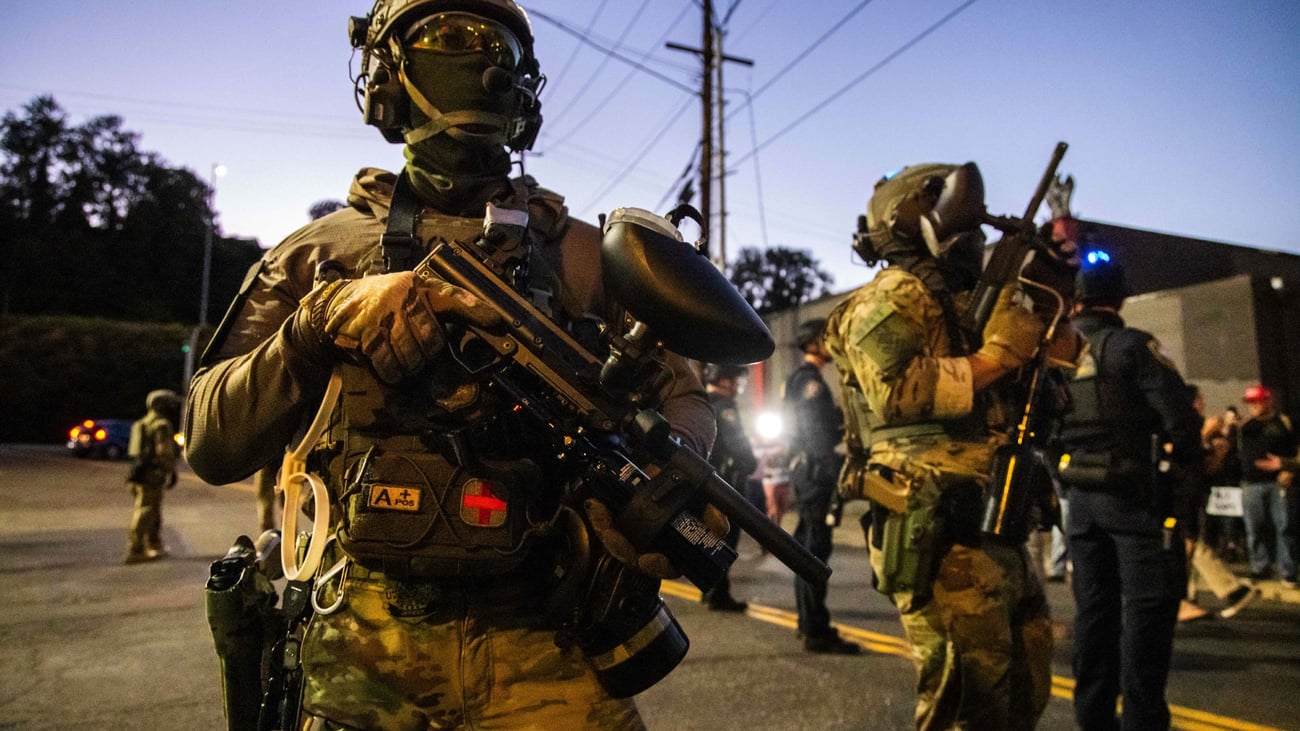
Democrats introduced legislation to protect citizens recording Immigration and Customs Enforcement operations, citing First Amendment violations by federal agents who have blocked or prevented filming.
The proposed bill would establish legal consequences for ICE officers who interfere with individuals exercising their right to document government activities. The legislation responds to documented incidents where agents have confiscated phones, ordered people to stop recording, or physically prevented bystanders from capturing video during enforcement operations.
First Amendment protections for recording government agents have been established through multiple federal appellate decisions. Courts in the Second, Third, Fourth, Fifth, Sixth, Ninth, and Eleventh Circuits have recognized that citizens possess a constitutional right to film police and federal law enforcement conducting public duties in public spaces. However, enforcement remains inconsistent across agencies and field offices.
The bill directly addresses a gap between constitutional rights and practical enforcement. ICE agents operating in the field often lack awareness of or training regarding these protections. Citizens attempting to record deportations, workplace raids, or street encounters frequently face retaliation without meaningful accountability mechanisms.
The legislation would impose penalties on federal officers who knowingly violate recording rights, including potential damages available to affected individuals. It requires federal agencies to establish clear policies protecting the public's right to film and mandates training for ICE personnel on First Amendment obligations.
Supporters argue the measure addresses power imbalances during enforcement encounters. Immigration advocates emphasize that recording serves as documentation for legal defense, evidence of abuse, and public accountability. Families facing deportation often rely on bystander videos to challenge government actions.
The proposal faces Republican opposition, with critics arguing it could impede legitimate law enforcement operations or endanger officers. Opponents contend that filming can complicate arrests or create safety risks in tense situations.
The bill faces uncertain prospects in Congress. Previous attempts to establish nationwide standards protecting recording rights have stalled. Whether this legislation gains traction depends on committee assignments and