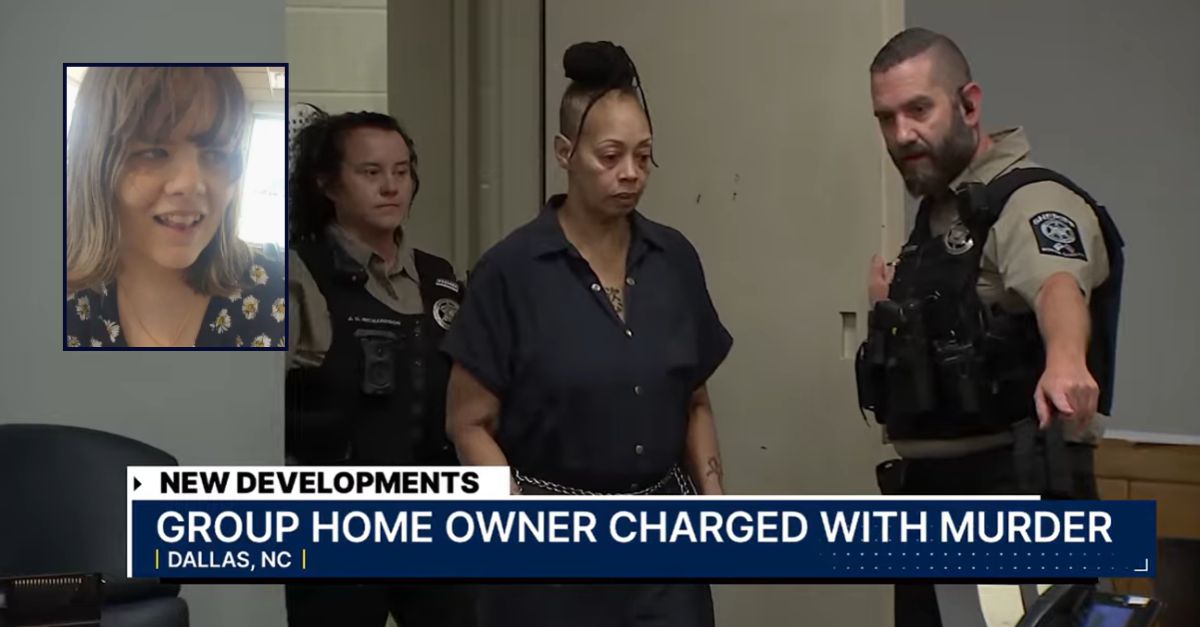
A North Carolina caregiver faces murder charges for allegedly killing a non-verbal woman with autism through physical assault. According to police, the caregiver shocked and stomped the victim to death, then deliberately informed officers at a car crash scene that they would discover a deceased person at her residence.
Law enforcement responded to a vehicle collision involving the caregiver. During the initial police contact, the caregiver made an unsolicited statement to officers indicating she had left a dead body at her home. Police subsequently discovered the victim's body and opened a homicide investigation.
The victim, identified as a non-verbal woman with autism, suffered fatal injuries consistent with blunt force trauma. The caregiver's statement to police, combined with physical evidence at the scene, formed the basis for the murder charges filed against her.
This case involves a fundamental breach of the duty of care owed by professional caregivers to vulnerable individuals under their supervision. Caregivers, whether employed by care facilities or working independently, face legal obligations to protect the safety and welfare of those dependent on their services, particularly individuals with developmental disabilities who cannot advocate for themselves.
The admission by the suspect to police officers creates significant evidentiary problems for any defense strategy. Voluntary statements made to law enforcement regarding the location and existence of a victim generally remain admissible in criminal proceedings absent constitutional violations.
The victim's status as a non-verbal individual with autism compounds the severity of the allegations. Such individuals frequently depend entirely on caregivers for personal safety and protection. The criminal justice system recognizes this vulnerability through enhanced penalties in abuse and homicide cases involving disabled victims.
This prosecution will likely proceed through North Carolina state courts. The murder charge carries the possibility of life imprisonment without parole or capital punishment depending on how prosecutors pursue the case and jury recommendations.
The case underscores ongoing concerns regarding oversight and accountability within the caregiving industry, particularly for individuals receiving in