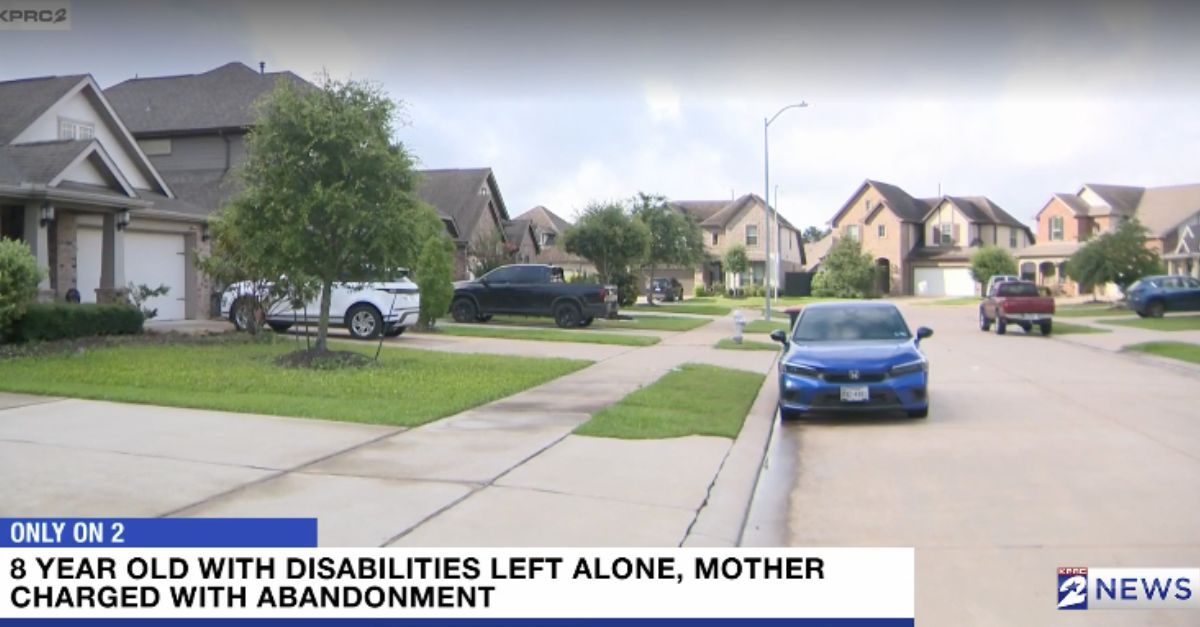
A Texas mother faces criminal charges after authorities discovered she left her 8-year-old daughter, who has a disability, unsupervised for extended periods. The child survived on birthday cake while the mother worked 9-hour shifts and traveled away from home for multiple days.
Law enforcement intervened after learning the child remained alone in the residence without adequate food, supervision, or care. The daughter's disability status heightens the legal severity of the abandonment allegations, as courts recognize that disabled children require heightened duty of care from guardians.
The charges likely involve child abandonment and child endangerment under Texas law. Texas Penal Code section 22.041 defines abandonment of a child as intentional abandonment with intent to return, knowing the child cannot care for itself due to age or physical/mental condition. Leaving an 8-year-old alone, particularly one with disabilities, creates presumptive neglect under Texas Family Code provisions governing child protective services investigations.
The facts suggest the mother created dangerous conditions. An unsupervised child with disabilities faces risks including inability to call for help, vulnerability to injury or medical emergencies, insufficient nutrition, and psychological trauma. The reliance on birthday cake as a primary food source indicates lack of meal planning or basic provisioning.
Texas authorities typically pursue these cases through both criminal channels and child protective services. The Texas Department of Family and Protective Services may seek temporary custody and parental rights termination. Criminal prosecution proceeds separately, with abandonment charges carrying potential felony status depending on injury duration and severity.
This case reflects broader enforcement priorities around parental supervision responsibilities. Courts consistently hold that parental employment obligations do not override statutory duties to ensure child safety and welfare. The presence of a disability strengthens prosecutorial arguments about the child's vulnerability and the mother's knowledge of heightened care requirements.
Potential outcomes include criminal conviction, incarceration, loss of custody,