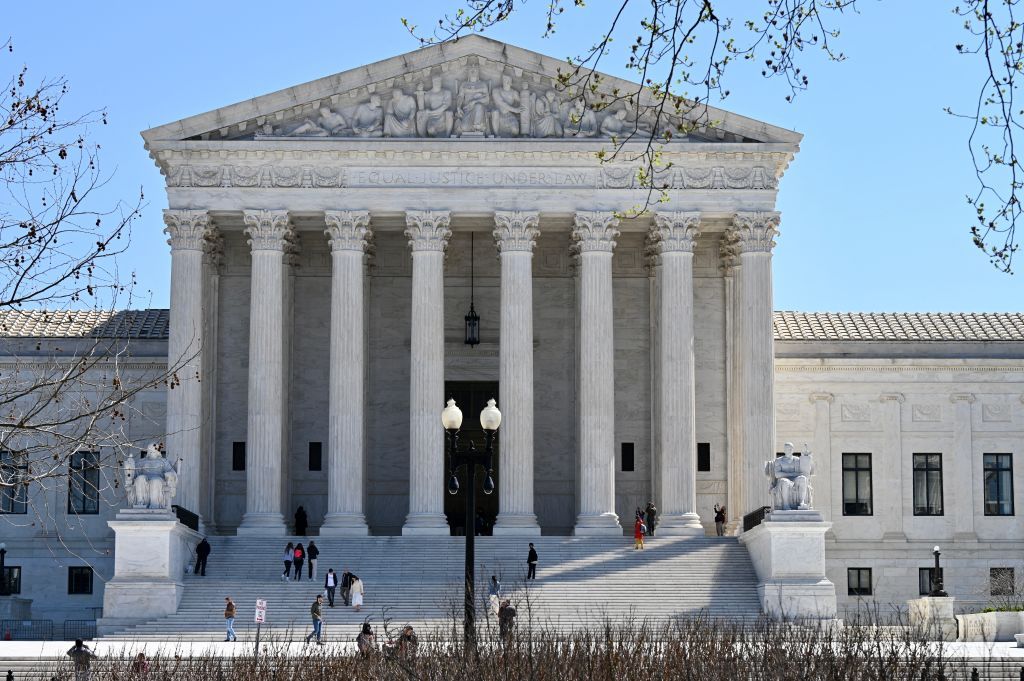
# Justices Validate Arbitration Exemption for "Last-Mile" Drivers
The U.S. Supreme Court upheld an exemption from mandatory arbitration for workers classified as "last-mile" drivers, affirming that certain transportation employees fall outside the scope of agreements requiring private dispute resolution.
The decision stems from the Federal Arbitration Act (FAA), which generally enforces arbitration clauses in contracts. However, the FAA contains a carve-out for transportation workers engaged in interstate commerce. The Court clarified that drivers performing final-delivery services—the "last mile" of the logistics chain—qualify for this exemption when their work involves interstate movement of goods, even if individual trips cross state lines.
This ruling resolves uncertainty about which delivery workers retain the right to sue employers in court rather than submit disputes to arbitration. Companies like Amazon, DoorDash, and other gig economy platforms have aggressively used arbitration clauses to prevent class actions and litigation in state courts. The decision constrains this strategy for delivery workers.
The FAA exemption applies to individuals "engaged in transportation by air, rail, or highway of goods or passengers in interstate or foreign commerce." Previous courts disagreed on whether modern last-mile drivers qualified. The Supreme Court's clarification establishes that workers moving goods across state lines during delivery operations fall within the statutory language, restoring their access to courts.
The practical effect expands litigation risk for delivery companies. Workers can now pursue wage-and-hour claims, discrimination suits, and other employment disputes through courts rather than confidential arbitration. Class actions become viable. State law protections apply instead of arbitration proceedings controlled by private arbitrators.
However, the scope remains limited. Drivers performing purely local deliveries within a single state may still face enforceable arbitration agreements. The ruling applies specifically to interstate commerce operations.
For gig