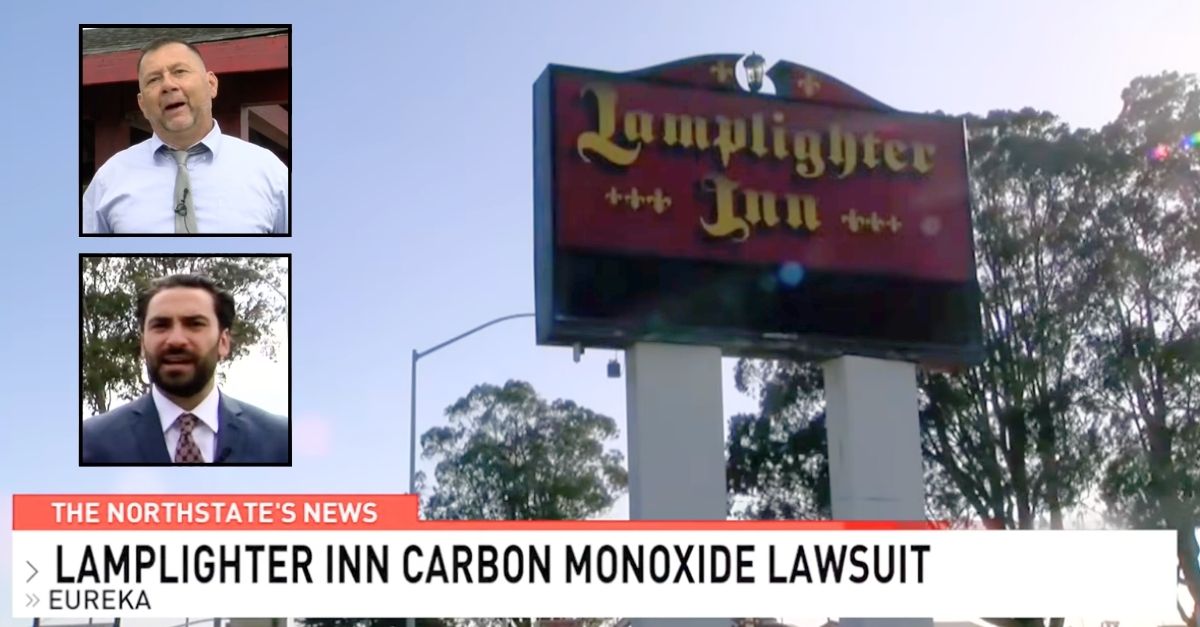
A father has filed suit against the owners of a northern California motel following the deaths of two women discovered in the same room within five days of each other. The lawsuit alleges the motel operators bear responsibility for the deaths.
The complaint centers on the motel's alleged failure to maintain safe premises and respond appropriately to warning signs of danger. When the first woman died in the room, the motel's owners and staff had notice of hazardous conditions or suspicious activity. Despite this knowledge, the operators allegedly took no remedial action before a second woman died in the identical location days later.
This case invokes premises liability doctrine. Property owners owe a duty of reasonable care to guests and persons lawfully on their property. That duty includes maintaining the premises in safe condition and addressing known hazards. Motel operators face heightened obligations because they control the environment and exercise superior knowledge of conditions within their facilities.
The motel's failure to investigate the first death, secure the room, or implement safety protocols after the initial incident strengthens the plaintiff's position. Courts recognize that subsequent harm occurring under identical or similar circumstances demonstrates foreseeability. Once the first death occurred in that specific room, the motel had clear notice that continued occupancy posed risk.
The lawsuit likely asserts negligence and possibly wrongful death claims. The father seeks damages for his daughter's death, including economic losses such as funeral expenses and lost financial support, plus non-economic damages for pain, suffering, and loss of companionship.
Motel owners typically maintain liability insurance covering premises liability claims. However, insurers may deny coverage if the complaint demonstrates willful misconduct or reckless indifference to guest safety. The timing of the two deaths in one room creates a powerful narrative suggesting the motel owners consciously disregarded obvious danger.
This case illustrates the practical consequences of inadequate property management and failure to act on critical information.