# Did FDR's D-Day Prayer Violate the Establishment Clause?
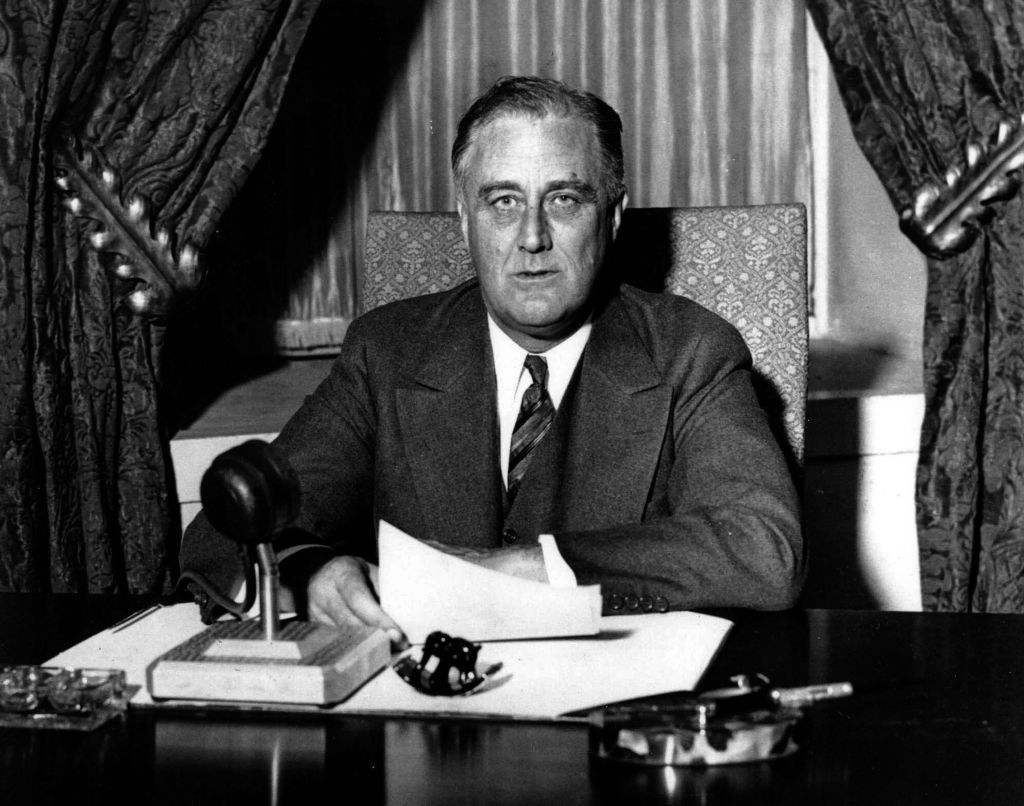
President Franklin D. Roosevelt broadcast a prayer to the nation on June 6, 1944, as Allied forces landed at Normandy. The prayer invoked God's protection for soldiers entering combat. This historical moment now raises a modern constitutional question: did a sitting president endorsing religious expression violate the Establishment Clause of the First Amendment?
The Establishment Clause prohibits Congress from making any law respecting an establishment of religion. Courts have extended this doctrine to executive action, creating a baseline principle that government cannot advance or endorse religion. Under the Lemon test, historically applied by courts, government action must have a secular purpose, a primary effect that neither advances nor inhibits religion, and minimal entanglement with religion.
FDR's prayer presents a factual puzzle for modern doctrine. The prayer had an ostensibly secular purpose: boosting morale during a critical military operation. Yet the primary effect involved explicit religious content broadcast through government machinery. A strict Establishment Clause reading would flag presidential religious speech as problematic government endorsement.
However, historical context matters. In 1944, such prayers enjoyed broad acceptance and reflected prevailing cultural norms. The Supreme Court has recognized that historical practices sometimes receive deference in Establishment Clause analysis, particularly when deeply rooted in tradition.
Modern courts may analyze this differently. The current Supreme Court has retreated from strict Lemon scrutiny. In recent decisions, the Court emphasized historical practice and declined to find Establishment Clause violations based solely on religious content or symbolism. Under this framework, a wartime presidential prayer might survive constitutional review precisely because of its historical pedigree and national emergency context.
The question remains academic. No plaintiff challenged FDR's prayer in 1944 or thereafter. Yet it illustrates how constitutional doctrine evolves. What