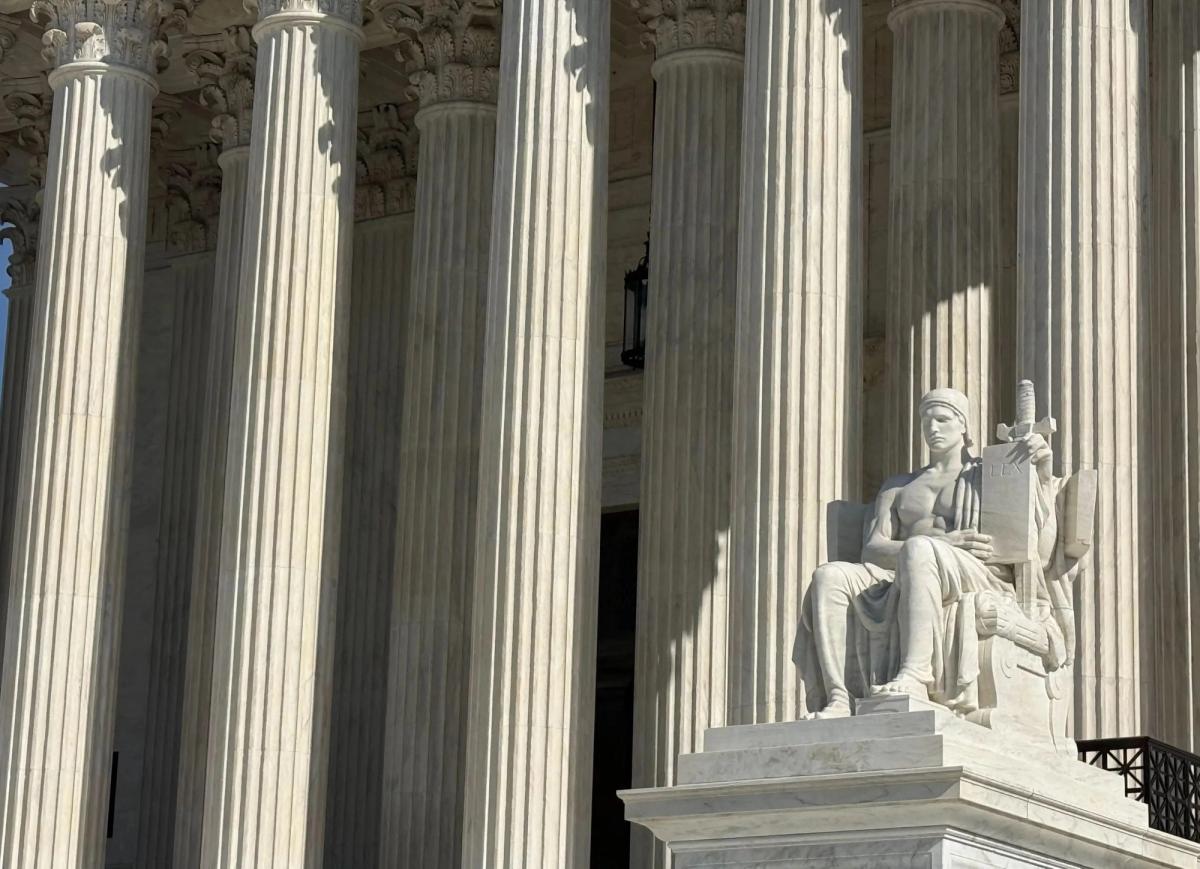
The Supreme Court ruled that generic pharmaceutical manufacturers cannot be held liable for state-law negligence or failure-to-warn claims based on the independent decisions of pharmacists to dispense their products in particular ways.
The decision addresses a fundamental question about pharmaceutical liability chains. Plaintiffs sought to hold generic drug makers responsible when pharmacists made choices about dispensing that allegedly caused harm. The Court rejected this theory of liability, finding that pharmacists function as independent healthcare professionals whose decisions break the causal connection between a manufacturer's conduct and patient injury.
The ruling relies on established principles of pharmaceutical law and professional autonomy. Federal regulations position pharmacists as healthcare providers with independent judgment authority, not mere conduits for manufacturer instructions. When a pharmacist makes a clinical decision about how to dispense a medication, that decision represents the pharmacist's independent professional judgment rather than an extension of the manufacturer's conduct.
This holding has substantial practical implications. Generic manufacturers now face reduced exposure to negligence claims tied to how healthcare providers dispense their products. The decision protects manufacturers from liability for decisions entirely outside their control and made by licensed professionals bound by their own independent duties to patients.
The ruling also reinforces the principle that liability follows responsibility. Pharmacists, not drug manufacturers, control dispensing decisions. Pharmacists possess professional licenses, regulatory oversight, and direct patient contact. These factors support the Court's conclusion that pharmacists, not manufacturers, bear responsibility for dispensing decisions.
For the pharmaceutical industry, the decision significantly limits downstream liability exposure. Manufacturers can rely on a clear rule preventing negligence claims predicated on pharmacist conduct. For patients, the decision clarifies that injured parties must pursue claims against the healthcare providers who made the actual dispensing decisions, not distant manufacturers.
The Court's reasoning emphasizes separation of duties within the healthcare system. Generic manufacturers distribute products; pharmacists dispense them. This division of labor, established by regulation and professional licensing, creates