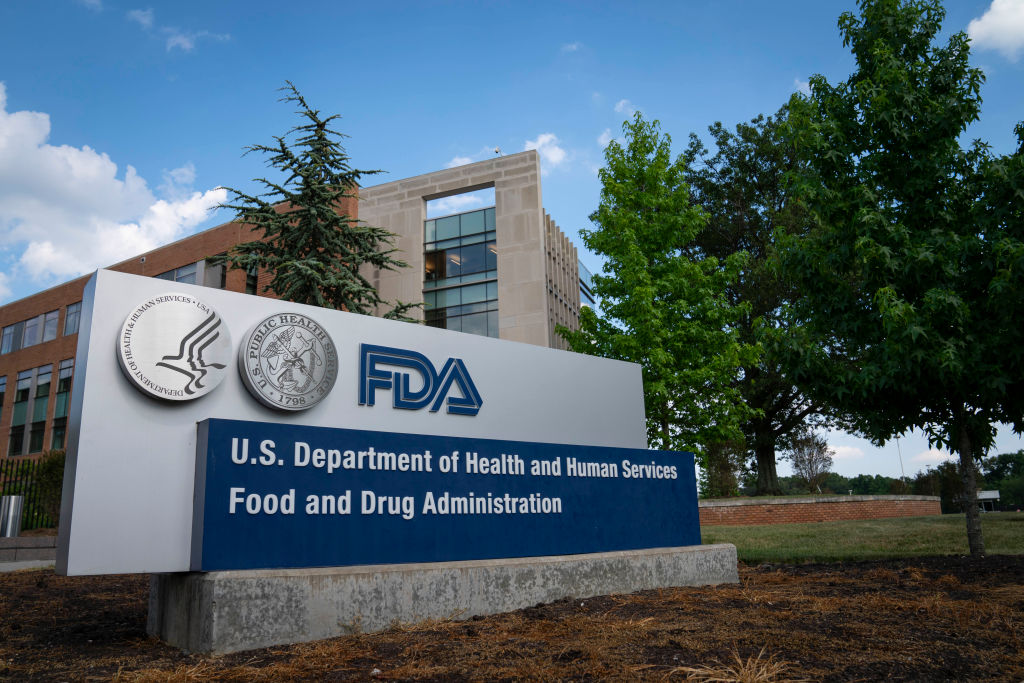
Rick Pazdur, former director of the FDA's Oncology Center of Excellence, argues the agency faces a pivotal moment to restructure itself fundamentally rather than restore previous operational models. Pazdur's remarks reflect broader concerns among former FDA leadership about the agency's current trajectory and institutional capacity.
The FDA regulates pharmaceuticals, biologics, and medical devices across the United States and influences regulatory standards globally. Pazdur's tenure oversaw accelerated approval pathways and breakthrough designations for cancer treatments, expanding patient access to experimental therapies while maintaining safety oversight. His departure signals potential shifts in how the agency prioritizes innovation versus traditional safety protocols.
Pazdur's statement comes amid ongoing debates about FDA reform. The agency's Center for Drug Evaluation and Research (CDER) and Center for Biologics Evaluation and Research (CBER) process thousands of applications annually. Former officials suggest the agency cannot simply revert to pre-existing structures to address current challenges.
The practical implications extend to pharmaceutical companies, biotech firms, and patients. Rebuilding the FDA differently could alter approval timelines, clinical trial requirements, and post-market surveillance standards. Companies currently navigating the regulatory process may face unpredictable requirements if the agency undergoes significant restructuring.
Pazdur's framing rejects nostalgia for historical FDA operations. Instead, it endorses institutional redesign suited to contemporary drug development, including artificial intelligence applications, real-world evidence standards, and adaptive trial designs. This approach acknowledges that reverting to legacy systems would leave the FDA ill-equipped for modern pharmaceutical innovation.
The statement carries weight within the medical and regulatory communities. Pazdur's credibility on oncology matters influences policy discussions. His public position signals that former agency leaders see structural transformation, not restoration, as necessary.
The FDA's direction affects global pharmaceutical markets. European regulators, Health Canada