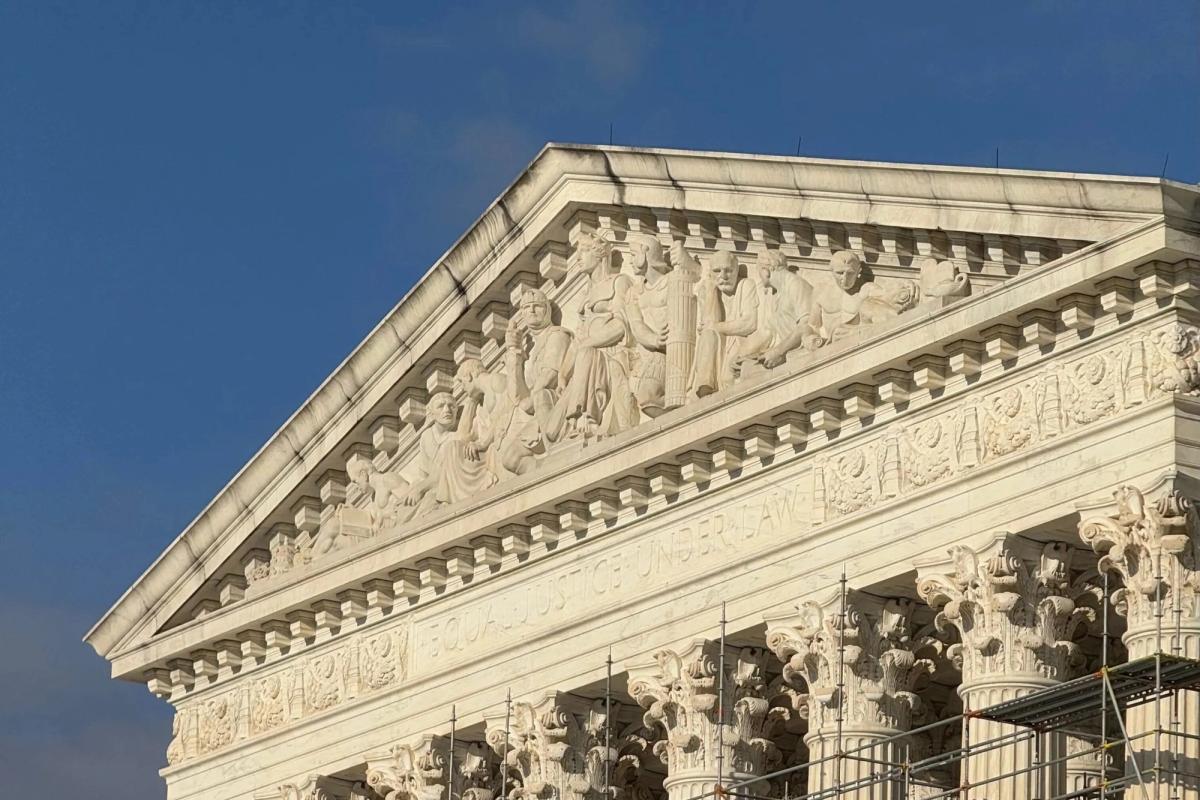
The Trump administration has signaled sweeping tariff increases and moved to challenge a court order requiring refunds, according to SCOTUSblog reporting.
The tariff announcement marks an aggressive shift in trade policy. The administration has not disclosed specific sectors or timelines, but the scope suggests broad application across multiple industries. Companies importing goods face potential cost increases that could ripple through supply chains and consumer pricing.
The refund challenge targets a court order currently in force. Courts have not released full details, but the administration's decision to litigate suggests the order imposes financial obligations the administration disputes. Such court orders typically arise from trade disputes, tax assessments, or regulatory compliance failures. The legal challenge will determine whether the refund obligation stands or whether the administration successfully overturns it on appeal.
Both actions carry practical weight for businesses. The tariff plan creates uncertainty around trade costs and inventory strategies. Companies must anticipate duty increases when calculating margins and pricing. The refund challenge's outcome determines whether entities already ordered to pay must do so or can retain disputed funds pending appellate resolution.
The timing matters. Trade-dependent sectors including automotive, electronics, agriculture, and retail face immediate pressure to evaluate sourcing alternatives and pricing adjustments. A successful tariff implementation could shift manufacturing decisions and import patterns.
The refund case mechanics hinge on which court issued the order and what statute governs. Appeals courts typically apply deferential standards to lower court factual findings but review legal interpretations de novo. The administration's success depends on convincing appellate judges that the refund order misapplies law or exceeds the court's jurisdiction.
No ruling date has been announced for either matter. Both developments signal the administration's willingness to use executive and litigation authority to reshape trade and fiscal policy.