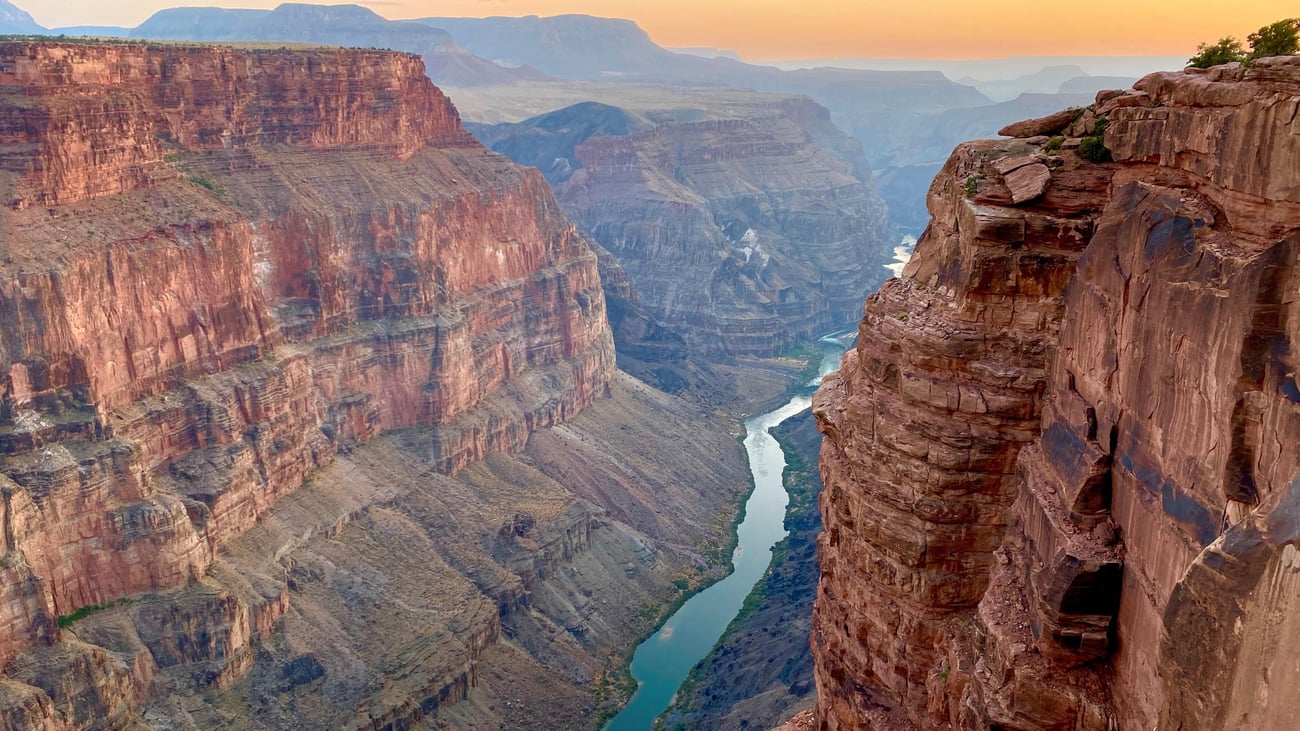
Water users across seven Western states that depend on the Colorado River are negotiating conservation measures as drought and climate change continue to strain the already-stressed river system. The Colorado River supplies water to nearly 40 million people across Arizona, California, Colorado, Nevada, New Mexico, Utah, and Wyoming, plus Mexico under the 1944 Water Treaty.
The river's flow has declined substantially over the past two decades. Climate scientists attribute the reduction to both prolonged drought conditions and long-term climate change effects. Meanwhile, demand on the system has grown as population centers in the Southwest have expanded, creating a widening gap between available supply and consumption needs.
State water agencies and federal officials have engaged in ongoing discussions to negotiate new conservation agreements. These negotiations address how states will reduce their water allocations and share the burden of shortage. Previous agreements, including the 2007 Interim Shortage Guidelines and subsequent amendments, established tiered reductions when Lake Mead and Lake Powell, the two primary storage reservoirs, fell below certain elevation thresholds.
The 1922 Colorado River Compact originally allocated 16.5 million acre-feet of water annually across the basin states. That compact assumed higher historical flows than the river actually provides in most years. Current overallocation means states collectively take more water than the river supplies, depleting reservoir levels.
Arizona, California, and Nevada have agreed to accept additional cuts beyond earlier commitments. Arizona reduced its allocation by roughly 23 percent under recent agreements. California, the largest user historically, has also committed to conservation measures affecting agricultural and urban water supplies.
The negotiations remain complex because any reduction in one state's allocation shifts burden to other users and communities dependent on Colorado River water. Agricultural interests, municipalities, and tribal nations all compete for access. Tribal water rights, established under federal law and treaties, complicate allocation discussions.
Federal water managers from the Bureau of Reclam