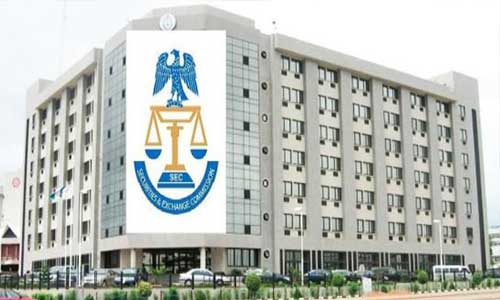
Nigeria's Securities and Exchange Commission issued a directive freezing the assets of 13 entities operating in the capital market following terrorism-financing designations. The SEC action targeted 10 individuals and three entities blacklisted under Nigeria's Sanctions regime after authorities linked them to terrorist financing activities.
The compliance directive requires capital market operators to immediately comply with the asset freeze across all trading platforms, brokerage firms, and depository institutions. Market participants must halt all transactions involving the designated individuals and entities, including buying, selling, transferring, or pledging of securities and funds.
The SEC's enforcement action reflects Nigeria's obligations under international counter-terrorism financing frameworks and domestic legislation. The directive applies across the entire Nigerian capital market ecosystem, binding stockbrokers, investment advisers, custodians, fund managers, and other regulated entities under SEC jurisdiction.
Operators failing to comply face regulatory sanctions, including suspension of licenses, administrative penalties, and potential criminal referrals. The SEC emphasized that market participants bear responsibility for identifying and reporting any dealings with blacklisted parties, requiring enhanced due diligence protocols.
The freeze operates prospectively and covers all assets held directly or beneficially by the designated persons and entities. Bank accounts, securities holdings, investment accounts, and trading positions fall under the restriction. The SEC directed operators to maintain records of compliance efforts and report confirmed holdings within specified timeframes.
This enforcement action demonstrates Nigeria's heightened focus on terrorism financing risks within capital markets. The regime targets both direct financing of terrorist organizations and funds that may support related activities through legitimate financial channels. Capital market participants operating in Nigeria must integrate sanctions screening into their onboarding, transaction monitoring, and ongoing customer risk assessment procedures.
The directive aligns Nigeria with international standards set by the Financial Action Task Force. Domestic and foreign investment firms active in Nigerian markets must verify compliance with updated sanctions lists and implement real-time screening systems. Non-compliance exposes firms to