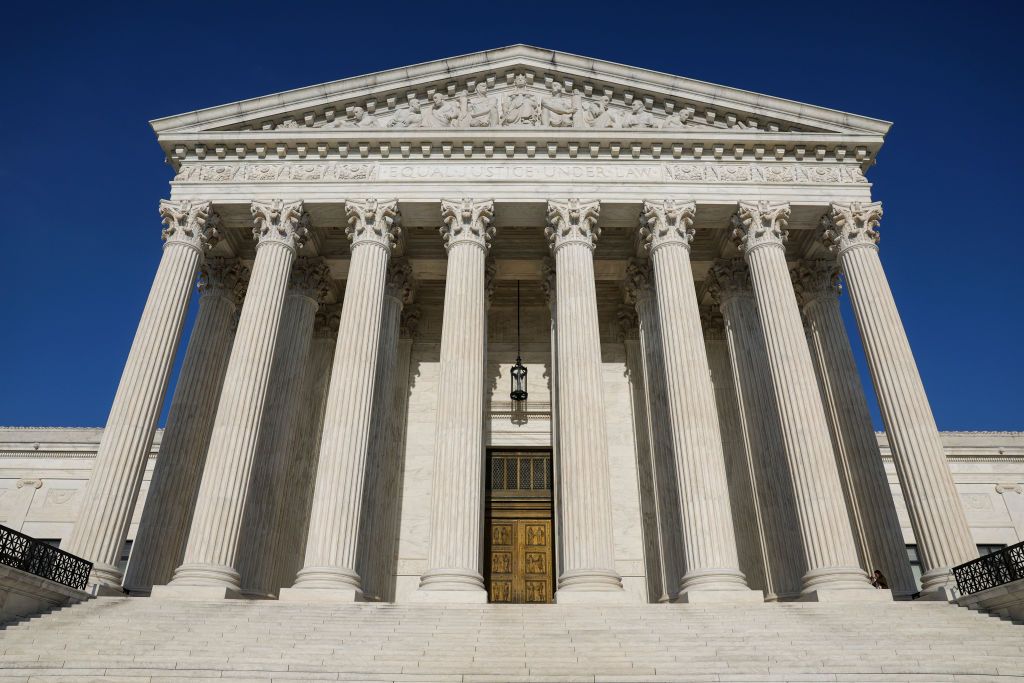
Alabama has asked the U.S. Supreme Court to allow the state to use a congressional map that a federal district court struck down as racially discriminatory. The state filed an emergency application requesting a stay of the lower court's decision while its appeal proceeds through the judiciary.
The district court found that Alabama's map violated the Voting Rights Act by packing Black voters into certain districts to dilute their influence in surrounding areas. This practice, known as racial gerrymandering, reduces the electoral power of a protected class across multiple districts.
Alabama argues that allowing the lower court ruling to stand would force the state to implement a new map before the upcoming election cycle, creating administrative and logistical chaos. The state contends it should be permitted to use the current map pending resolution of its appeal on the merits.
The emergency application presents the Supreme Court with a procedural question about whether maintaining the status quo during litigation outweighs concerns about enforcing voting rights protections. Courts typically grant stays only when the applicant demonstrates a substantial likelihood of success on the merits, irreparable harm absent a stay, and that the balance of equities favors the applicant.
The case implicates Section 2 of the Voting Rights Act, which prohibits voting practices that result in racial discrimination even without proof of intentional discrimination. The district court's finding of packed districts suggests the map likely failed this results test.
This dispute reflects ongoing litigation nationwide over congressional redistricting following the 2020 census. Multiple states face legal challenges to their maps on racial gerrymandering grounds. The Supreme Court's decision on Alabama's stay request could signal its willingness to intervene in voting rights disputes and may influence how aggressively lower courts police racial discrimination in electoral maps.
Alabama's application underscores the tension between procedural efficiency and substantive voting rights protections. Courts must balance administrative burdens on election officials against constitutional