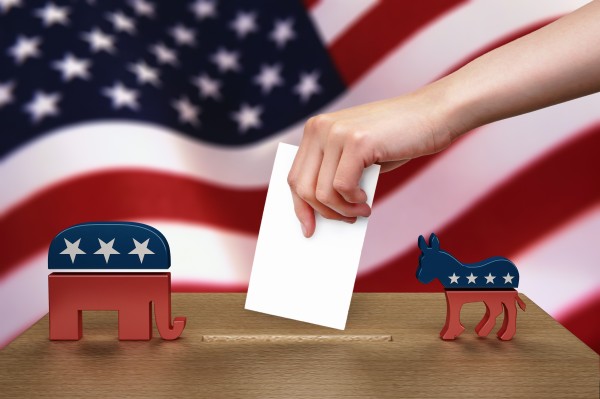
Voter participation in judicial elections continues to decline, reflecting a widespread knowledge gap about candidates for the bench. Voters consistently cast fewer ballots in races for judges than in contests for executive and legislative offices, a pattern researchers attribute to inadequate information about judicial candidates and their qualifications.
The phenomenon stems from structural factors. Judicial campaigns receive minimal media coverage compared to other electoral races. Campaign finance disclosure rules differ from those governing other offices, making it harder for voters to track funding sources. Many voters lack accessible information about judges' records, judicial philosophy, or prior rulings when they enter the voting booth.
This low-information environment creates risks. Voters may rely on party affiliation, name recognition, or demographic factors rather than judicial competence. In some jurisdictions, unopposed judges run without scrutiny. The absence of robust public debate about judicial candidates means the electorate makes little informed judgment about who should interpret law and apply constitutional principles.
However, lower participation in judicial elections may reduce certain problems associated with politicizing the judiciary. When fewer voters participate based on limited information, judicial races attract less partisan attention and money. This diminishes the risk that judges will tailor decisions to satisfy particular voter blocs or campaign donors. States with less contentious judicial elections report that judges face fewer pressure campaigns tied to specific cases or political agendas.
The tradeoff presents a governance dilemma. Democratic theory favors broad voter participation and public accountability for all elected officials, including judges. Yet accountability divorced from informed decision-making can push judges toward populist rather than principled rulings. Some legal scholars argue that lower participation in judicial elections, while democratically imperfect, produces better outcomes than high-turnout campaigns where voters choose judges based on advertisement spending or partisan loyalty.
Reform proposals address this tension. Improved judicial candidate information databases, bar association endorsements, and local news coverage could boost informed participation. Alternative selection methods like merit comm