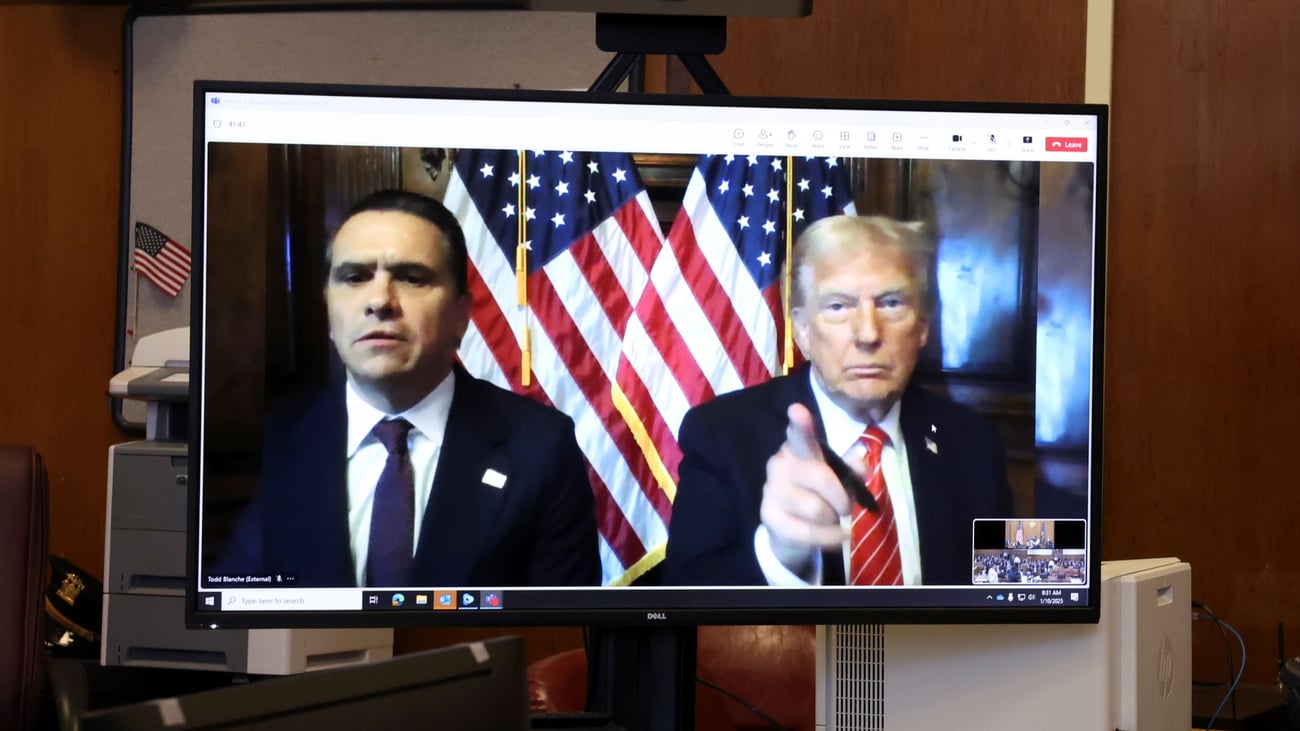
Todd Blanche, President Trump's former personal lawyer, is positioned to receive a formal nomination as Attorney General. Blanche has served as acting head of the Justice Department following the dismissal of former Attorney General Pam Bondi in spring.
Blanche built his career as a defense attorney representing high-profile clients, including Trump himself in various legal matters. His ascent to acting Attorney General marks a significant shift in DOJ leadership, placing a longtime Trump ally in temporary control of the department that oversees federal prosecutions, civil litigation, and law enforcement policy.
The nomination carries considerable weight given the office's substantial authority over criminal prosecution priorities, civil rights enforcement, antitrust actions, and appellate strategy. As Attorney General, Blanche would supervise approximately 115,000 DOJ employees and control the direction of federal law enforcement across the country.
His tenure as acting AG has already shaped department priorities and personnel decisions. A formal nomination triggers Senate confirmation hearings before the Judiciary Committee, where senators traditionally scrutinize the nominee's qualifications, independence from political influence, and commitment to rule of law principles.
The appointment of a longtime Trump confidant to this position raises questions about the department's independence from executive control. Career DOJ attorneys often emphasize the institutional tradition of the Attorney General serving as the nation's chief law enforcement officer with obligations to the Constitution rather than to the president personally.
Blanche's background in criminal defense rather than government law or civil administration differs from traditional Attorney General credentials. His prior representation of Trump in criminal cases creates potential perception issues regarding conflicts of interest and the appearance of using the DOJ to advance the president's personal interests rather than the public interest.
Senate confirmation proceedings will likely focus on these independence questions, his legal philosophy regarding prosecutorial discretion, and his views on DOJ ethics guidelines designed to maintain institutional autonomy from presidential pressure.