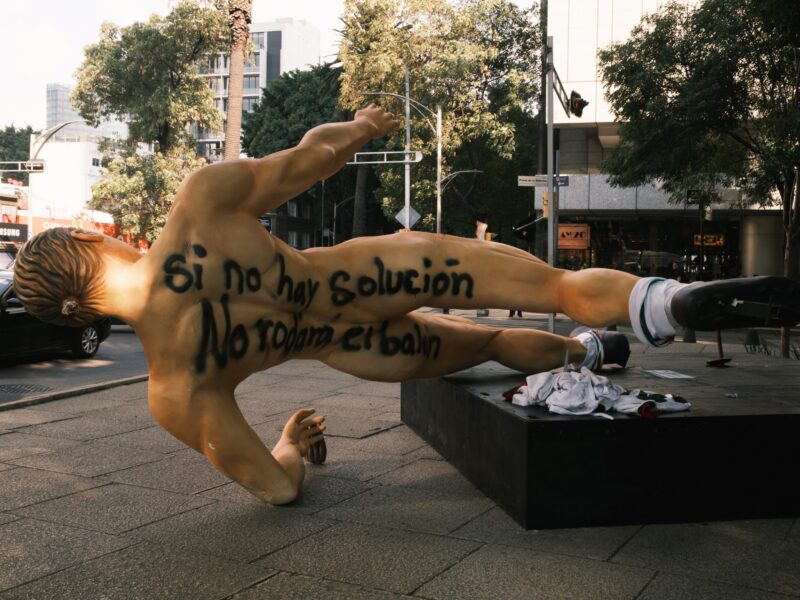
Mexico City teachers staged blockades for three consecutive days, disrupting downtown traffic and pedestrian access near major landmarks that serve as public viewing venues for the FIFA World Cup. The strikes occurred days before the tournament's kickoff.
The teachers' labor action targeted high-traffic areas and iconic sites designated for World Cup viewing, creating significant transportation gridlock in the capital. The timing amplified public pressure as the city prepared for massive crowds expected during the tournament.
Courthouse News did not disclose the specific labor dispute underlying the strike, the teachers' union involved, or the Mexican government's response. The report focused on the operational disruption rather than the legal basis for the labor action or settlement negotiations.
The blockades demonstrate how labor disputes in Mexico leverage timing and location to maximize visibility and public impact. Striking during a major international sporting event concentrates media attention and creates political pressure on government officials. The Mexico City government faced competing demands: respecting workers' rights to strike while maintaining public order before a high-profile global event.
Mexico's labor law, governed by the Federal Labor Law (Ley Federal del Trabajo) and state labor codes, protects workers' right to strike under Article 123 of the Mexican Constitution. However, strikes in essential services or those affecting public safety can face legal restrictions or injunctions.
The World Cup viewing sites added economic and symbolic weight to the labor action. Disrupting access to these landmarks during pre-tournament days meant lost revenue for vendors and hospitality businesses, and forced the city to divert police resources for crowd management during the dispute.
The incident illustrates tensions between labor rights and public accommodation of major events. Government officials must balance constitutional protections for worker organization against the logistics of hosting international competitions and maintaining essential city services during periods of heightened public activity.