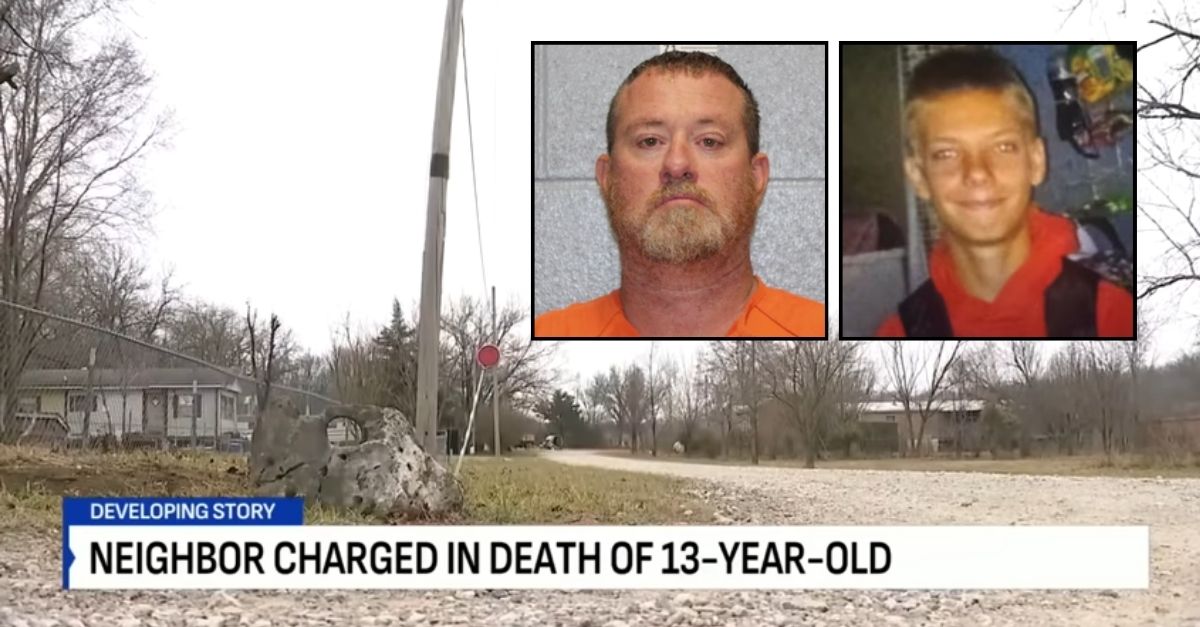
A Kansas man faces murder charges after his unleashed dogs allegedly killed a 13-year-old neighbor, with authorities accusing him of disposing of the boy's body by throwing it down a ravine.
The victim was cycling to a friend's house when the attack occurred. According to the Kansas Attorney General, the dogs mauled the boy fatally. Rather than reporting the incident, prosecutors allege the defendant retrieved the severely injured child and transported him to a large ravine where he dumped the body.
The murder charge represents an unusually serious prosecution stemming from a dog attack. Kansas law typically treats dog-related deaths as civil liability matters or, in egregious cases, involuntary manslaughter or animal-related criminal charges. Murder charges require proof of intent to kill or extreme recklessness. The state's theory apparently rests on the defendant's alleged conscious decision to conceal the boy's death by disposing of his remains rather than seeking emergency medical care.
This case raises questions about owner liability for dangerous animals and criminal responsibility for cover-up actions. Kansas permits property owners to keep dogs on their property, but owners bear strict liability if their animals cause injury or death. Unleashing dogs in a manner that endangers neighbors typically violates local ordinances and can create criminal exposure.
The disposal allegations appear central to elevating charges from negligent homicide to murder. Prosecutors likely argue that transporting and concealing the body demonstrates consciousness of guilt and intent to cover up a death rather than a simple accident. This transforms a tragic incident into a deliberate concealment case.
The case highlights gaps in local animal control enforcement and raises concerns about neighborhood safety. If the defendant had a history of aggressive or uncontrolled animals, authorities may face questions about whether prior complaints were adequately addressed. The charging decision signals aggressive prosecution of situations where dog owners fail to prevent attacks and then obstruct investigation.