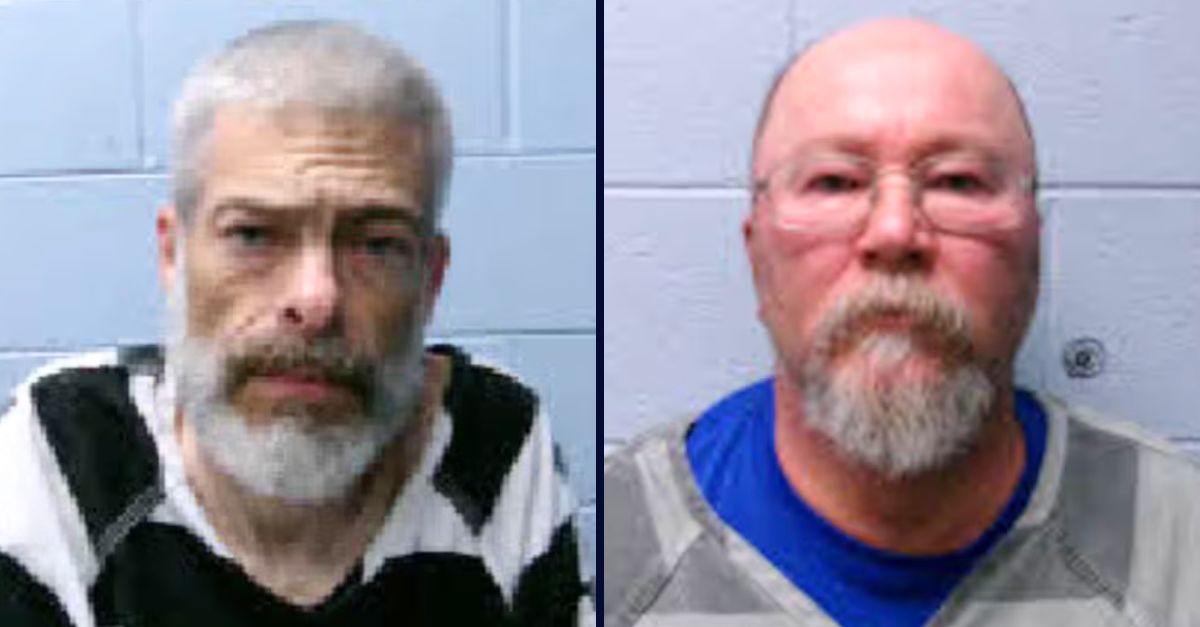
A Tennessee man faces charges for allegedly luring a school board member from his home by cutting the power, then opening fire on him. The suspect deliberately disabled the victim's electrical service to draw him outside, according to law enforcement. Once the board member emerged to investigate the outage, the suspect fired shots at him.
The target is described as embattled, suggesting prior controversy tied to his school board service. The shooting attack represents an escalation from political or policy disputes into direct violent confrontation. Law enforcement determined the power outage was not accidental but a calculated tactic to isolate the victim in a vulnerable position.
The case touches on the intersection of political tension and violent crime. School boards across the United States have experienced increased confrontation in recent years, particularly around curriculum decisions, mask mandates, and other contentious policy matters. This incident reflects a dangerous trajectory where disagreement crosses into premeditated assault with a firearm.
The suspect's alleged statement, "He's gonna pay," suggests motive rooted in personal grievance or anger over board decisions. Whether the grievance stemmed from educational policy, personnel matters, or other board actions remains unclear from available information. The premeditation involved in disabling utilities and positioning for an ambush distinguishes this from a spontaneous confrontation.
Charges in Tennessee for attempted murder would typically carry felony classifications and significant prison exposure. The use of a firearm during an attempted homicide elevates penalties under state and potentially federal law if the board member's official status becomes relevant to jurisdiction or sentencing enhancements.
This case underscores vulnerability of local elected officials to violence when their decisions generate intense opposition. School board members increasingly receive security recommendations in jurisdictions with polarized communities. The Tennessee incident demonstrates that such threats exist and that some individuals act on violent impulses beyond verbal protest or political organizing.