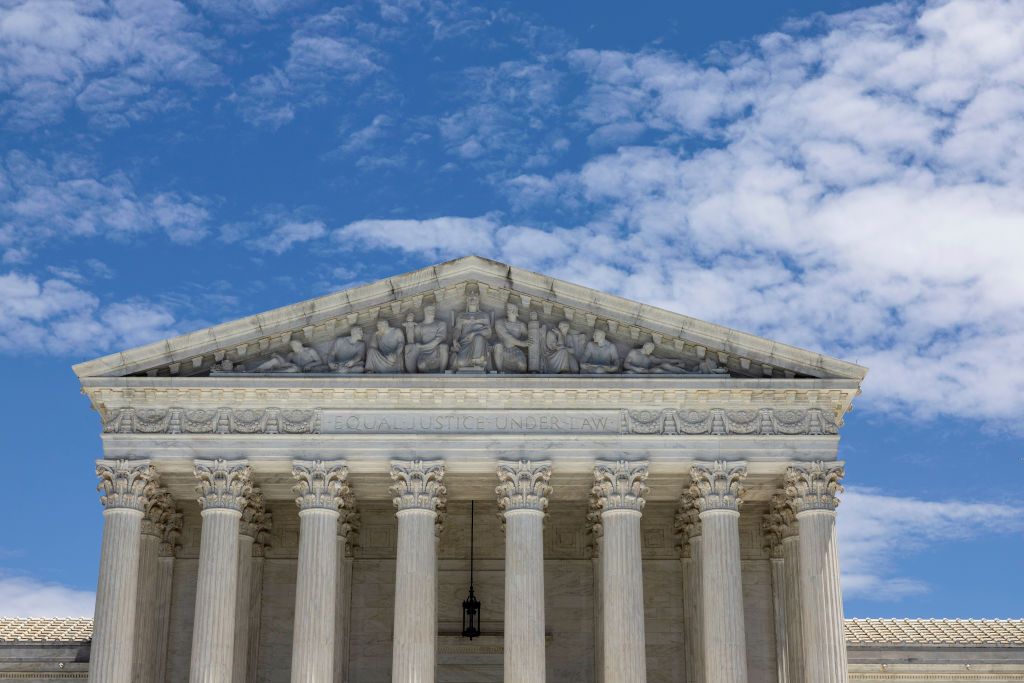
# When Voting Rights Act Compliance Became Unconstitutional
The Supreme Court fundamentally reshaped voting rights law by declaring that complying with certain Voting Rights Act provisions violates the Constitution itself. This reversal stems from the Court's evolving interpretation of the Fifteenth Amendment and equal protection doctrine.
For decades, Section 5 of the Voting Rights Act required jurisdictions with a history of racial discrimination to obtain federal approval before changing voting rules. Congress imposed this preclearance requirement under the Fifteenth Amendment, which prohibits race-based voting discrimination. The mechanism operated straightforwardly: states modified election procedures only after the Justice Department or a federal court in Washington, D.C. approved the changes.
The Court's position shifted dramatically. In Shelby County v. Holder (2013), the justices ruled that the coverage formula determining which jurisdictions faced preclearance requirements had become outdated and relied on statistics too old to justify the burden. The decision effectively gutted Section 5's enforcement mechanism nationwide.
More recently, the Court has questioned whether preclearance itself conflicts with constitutional principles. The justices expressed concern that requiring states to prove voting changes do not discriminate reverses traditional legal burdens. Under equal protection doctrine, plaintiffs typically bear the burden of proving discrimination. Preclearance inverts this framework by demanding states demonstrate non-discrimination before implementing changes.
The practical effect transforms election administration. States previously subject to preclearance now modify voting procedures without federal oversight. Vote identification requirements, redistricting maps, and polling place closures proceed under ordinary review standards, where plaintiffs must prove discriminatory intent or effect. This standard proves substantially harder to satisfy than preclearance's effects-based test.
The constitutional tension centers on federalism and judicial review. Advocates for strong preclearance argue Section 5 falls within Congress's enforcement powers under the Fifteenth