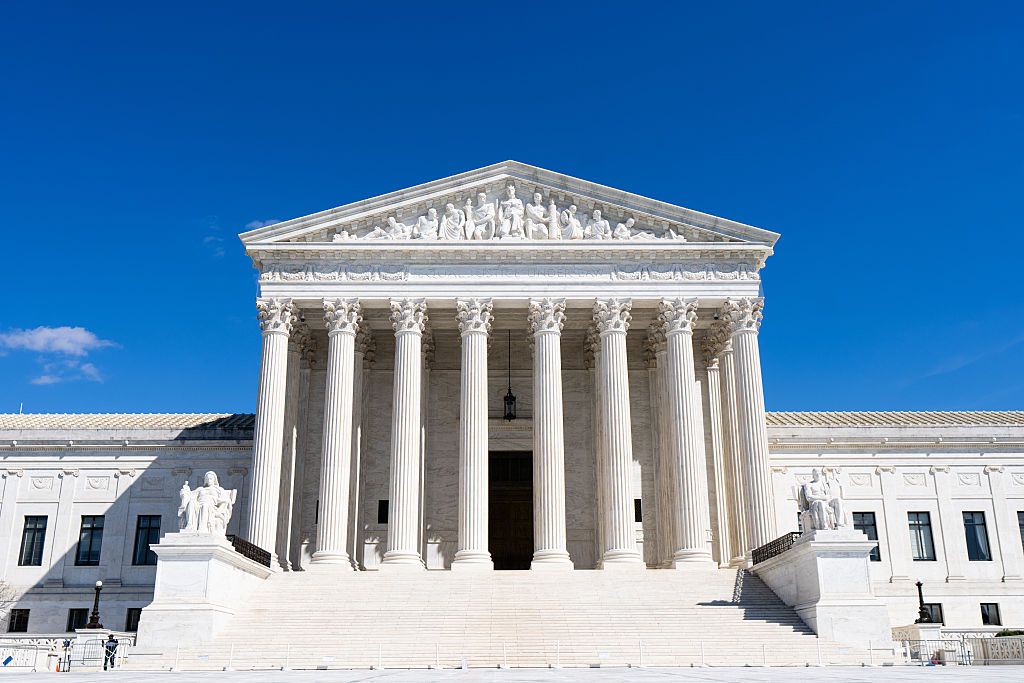
# Supreme Court's Docket Holds High-Stakes Cases Across Constitutional Frontiers
The U.S. Supreme Court faces a docket of consequential cases that will reshape federal law across multiple domains. These proceedings address core constitutional questions with direct implications for voting rights, religious liberty, executive power, and regulatory authority.
Cases pending before the Court involve challenges to voting restrictions, affirmative action policies in higher education, and the scope of presidential immunity from civil litigation. Each case tests the boundaries of existing doctrine and threatens to reverse or substantially limit established precedent.
The affirmative action cases, including Students for Fair Admissions v. Harvard University and Students for Fair Admissions v. University of North Carolina, directly challenge race-conscious college admissions under the Equal Protection Clause of the Fourteenth Amendment. Petitioners argue these programs violate Title VI of the Civil Rights Act of 1964 by discriminating against white and Asian American applicants. The Court's decision will determine whether universities may consider race as one factor in admissions decisions or must adopt race-neutral criteria.
Voting rights cases on the docket examine state authority to regulate elections and the scope of the Voting Rights Act. These decisions affect ballot access, voter ID requirements, and federal oversight of state election systems.
Presidential immunity questions center on whether Trump v. Vance allows civil suits against sitting presidents for alleged unofficial conduct. The Court must clarify whether presidents enjoy absolute immunity from state criminal prosecution and civil lawsuits during their term.
Regulatory cases test the scope of agency authority under the Administrative Procedure Act and the "Chevron deference" doctrine, which requires courts to defer to reasonable agency interpretations of ambiguous statutes. Business groups and conservative activists seek to curtail agency power.
These cases share a common thread. They pit individual rights against institutional authority, state against federal power, and executive discretion against statutory