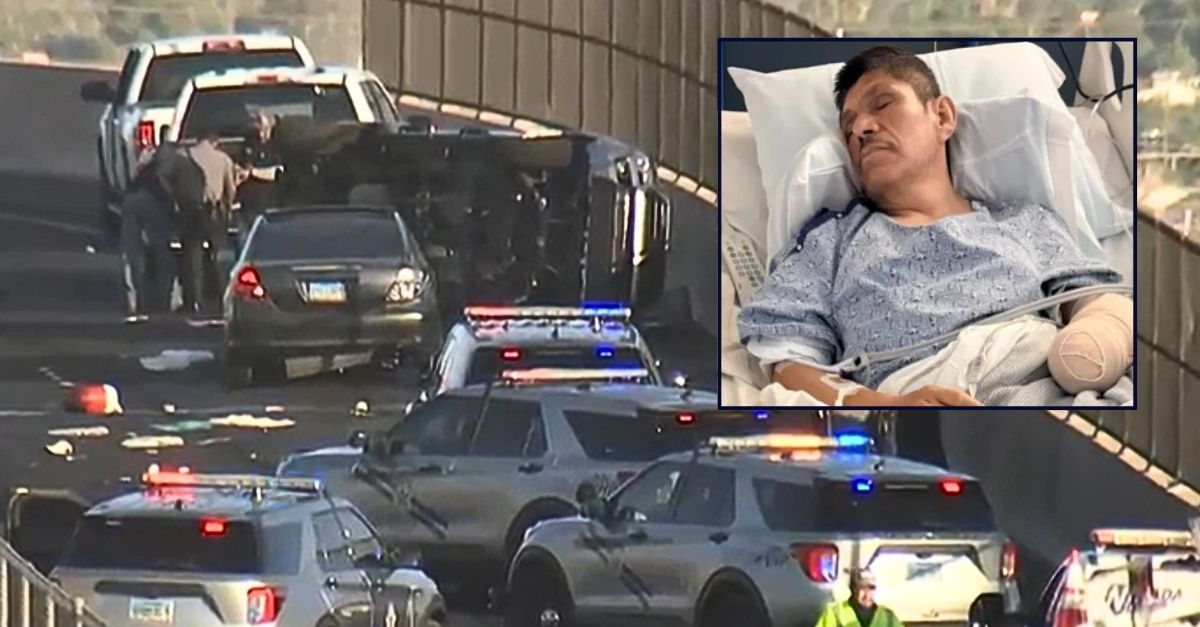
A Nevada man lost his hand in a freeway ramp collision caused by a drunk driver while commuting to his painting job, according to family members and law enforcement.
The victim suffered catastrophic injuries when the drunk driver struck his vehicle on the freeway ramp. Medical personnel subsequently amputated his hand due to the severity of the trauma sustained in the crash.
The incident underscores the devastating consequences of impaired driving. Drunk driving violations typically result in criminal charges including driving under the influence (DUI) under Nevada Revised Statutes Section 484C.110. Enhanced charges may apply depending on the severity of injuries and prior convictions. In cases involving serious bodily injury, prosecutors can pursue felony DUI charges, which carry mandatory minimum jail sentences, substantial fines, license suspension, and restitution obligations.
Victims injured by drunk drivers maintain civil remedies through personal injury lawsuits. The injured party may pursue damages for medical expenses, lost wages, pain and suffering, and permanent disability. Nevada permits recovery of punitive damages in cases involving gross negligence or willful misconduct, potentially multiplying the financial liability for the at-fault driver.
The amputation creates long-term complications for the victim. A painting professional loses occupational capacity, facing diminished earning potential and vocational retraining expenses. Insurance claims will cover documented economic damages, but non-economic losses including emotional distress and reduced quality of life present ongoing challenges.
Law enforcement investigation determines the drunk driver's blood alcohol content, typically through breathalyzer or blood tests administered at the scene or hospital. These results establish the foundation for criminal prosecution while providing evidence supporting civil claims.
Family members often face secondary trauma and caregiver burdens. Some jurisdictions recognize family members' loss of consortium claims, permitting spouses or close relatives to recover damages for altered relationships and caregiving responsibilities.
This case illustrates how a single