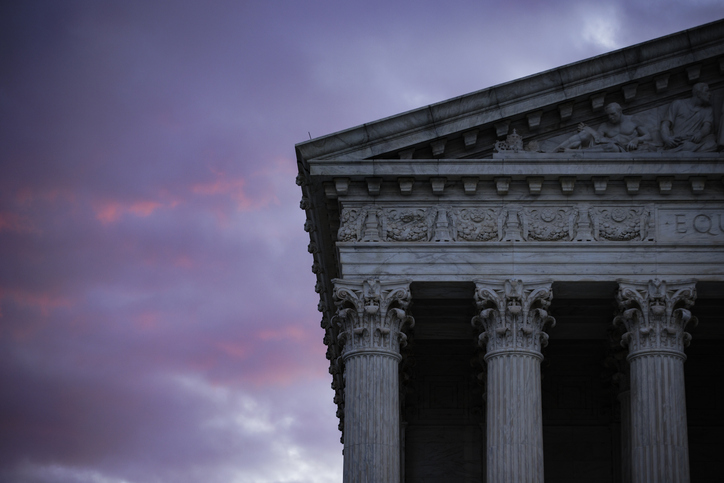
The Supreme Court's lifetime appointment system has transformed from a protective mechanism into a political liability that threatens institutional credibility, according to legal analysis. The current structure, established by Article III of the Constitution, grants justices tenure during "good behavior," effectively creating permanent positions absent impeachment or resignation.
The traditional rationale for life tenure emphasized judicial independence. By insulating justices from electoral pressure and reappointment concerns, the Framers intended to prevent political influence over judicial decision-making. This logic functioned adequately for much of American history when justices retired at relatively predictable intervals and partisan polarization remained muted.
Contemporary circumstances have fundamentally altered this calculus. Justices now serve extended tenures, with some sitting for 30 years or longer. Strategic retirement decisions by justices timed to partisan advantage have become commonplace. The 2020 death of Ruth Bader Ginsburg and subsequent vacancy triggered unprecedented partisan warfare over successor confirmation, exemplifying how lifetime tenure now amplifies rather than dampens political conflict.
Term limits represent a structural reform that addresses this dysfunction. Proposals vary, but common models include 18-year staggered terms ensuring each presidential administration appoints one or two justices predictably. Such arrangements operate successfully in other democracies and even within the U.S. federal judiciary for non-lifetime appointments.
Advocates contend term limits offer advantages over alternative reforms. They require no constitutional amendment if implemented through ordinary legislation, unlike proposals to expand or restructure the Court. They preserve judicial independence by maintaining tenure length comparable to other senior judicial positions. They reduce the incentive for justices to time retirements strategically and decrease vacancy-driven confirmation battles.
Critics raise legitimate constitutional questions about whether statute can modify Article III tenure protections. The Supreme Court itself would ultimately resolve this dispute, creating obvious legitimacy concerns. Nevertheless, the current system demonstrably fails to achieve its