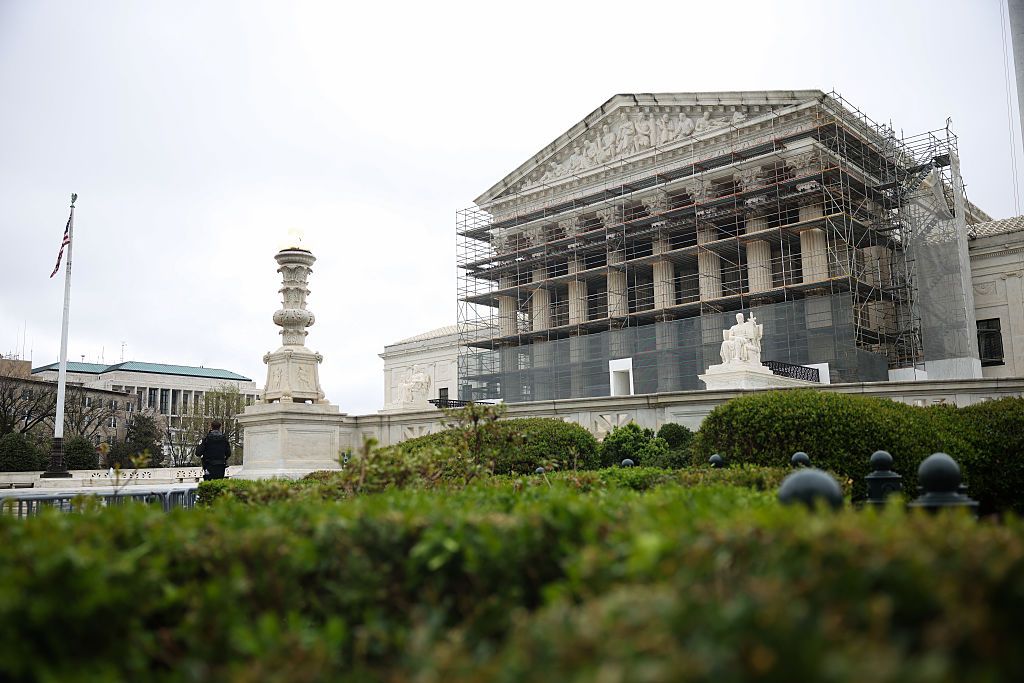
# SCOTUS Returns Death-Row Case; Grants Review of First Step Act
The Supreme Court remanded a death-row inmate's case to lower courts without issuing a decision on the merits, while granting review in a separate matter concerning the First Step Act, a criminal justice reform statute enacted in 2018.
The remand order reflects the Court's practice of returning cases when developments occur during appellate proceedings that warrant fresh consideration by trial or intermediate courts. The specific inmate and underlying legal claims remain undisclosed in the limited reporting available, but remands typically occur when intervening legal changes or factual developments create grounds for reconsideration.
The First Step Act case acceptance signals the Court's willingness to clarify application of the 2018 law, which authorizes sentence reductions for federal prisoners meeting certain criteria and expanded "good time" credits. The statute represents Congress's compromise approach to criminal sentencing reform, affecting thousands of federal inmates nationwide.
The two orders demonstrate the Court's selective approach to criminal justice dockets. Death penalty cases routinely receive petitions, yet the Court grants stays or orders remands in narrow circumstances, typically signaling concern about procedural defects or emerging legal doctrines. The First Step Act grant suggests unresolved questions persist regarding statutory interpretation or implementation by the Bureau of Prisons and federal courts.
Lower courts have produced conflicting interpretations of First Step Act provisions, particularly regarding retroactive application and calculation of credits. Federal judges disagree on whether certain inmate populations qualify for relief, creating circuit splits that justify Supreme Court intervention.
These orders carry different implications. The remand offers the death-row petitioner potential relief through direct appellate reconsideration. The First Step Act grant promises to establish binding precedent affecting federal sentencing administration and inmate eligibility across all federal facilities and courts.
Neither order indicates when oral arguments will occur or when