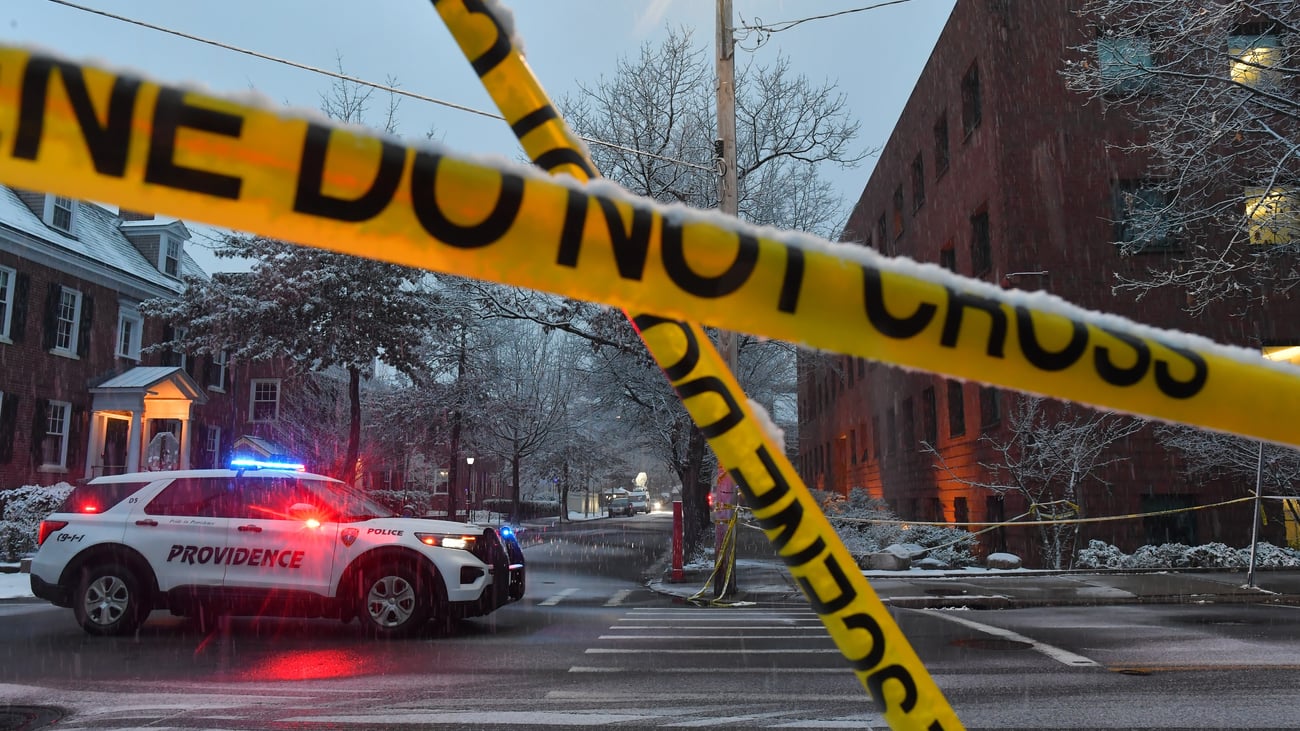
The Fifth Circuit Court of Appeals remains divided over Louisiana's police buffer zone statute, which restricts where journalists may operate near law enforcement activities. Media companies including major news organizations filed suit arguing the law violates First Amendment protections for newsgathering and press freedom.
Louisiana's buffer zone law creates a physical perimeter around police officers during arrests, investigations, and other law enforcement operations. Journalists who breach the zone face criminal charges. The statute provides no explicit exemption for press activities, treating reporters identically to civilian bystanders.
The Fifth Circuit panel split reflects a genuine constitutional tension. One faction emphasized that the law serves a legitimate government interest in officer safety and investigative integrity. These judges noted that journalists retain alternative means of reporting, including access to public records, official statements, and interviews conducted outside buffer zones.
The opposing panel members focused on press freedom doctrine. They argued the law imposes a content-neutral time, place, and manner restriction that fails intermediate scrutiny. The challengers contend that journalists require close proximity to accurately report on police conduct, particularly during high-stakes enforcement actions. Without direct observation, reporters cannot effectively document potential misconduct or verify official accounts.
The disagreement hinges on how courts should balance press access against law enforcement operational needs. First Amendment jurisprudence generally protects journalists' right to gather information in public spaces, but courts have permitted some restrictions when substantial government interests exist.
The case returns to the full Fifth Circuit or may reach the U.S. Supreme Court. Its resolution will affect police-press relations across Louisiana, Mississippi, and Texas, which fall under Fifth Circuit jurisdiction. Law enforcement agencies nationwide monitor these decisions closely, as police buffer zone laws exist in multiple states.
The outcome determines whether states can broadly restrict press proximity to police operations without creating specific carve-outs for newsgathering. Media organizations argue that without direct access, police accountability mechanisms weaken. Law enforcement coun