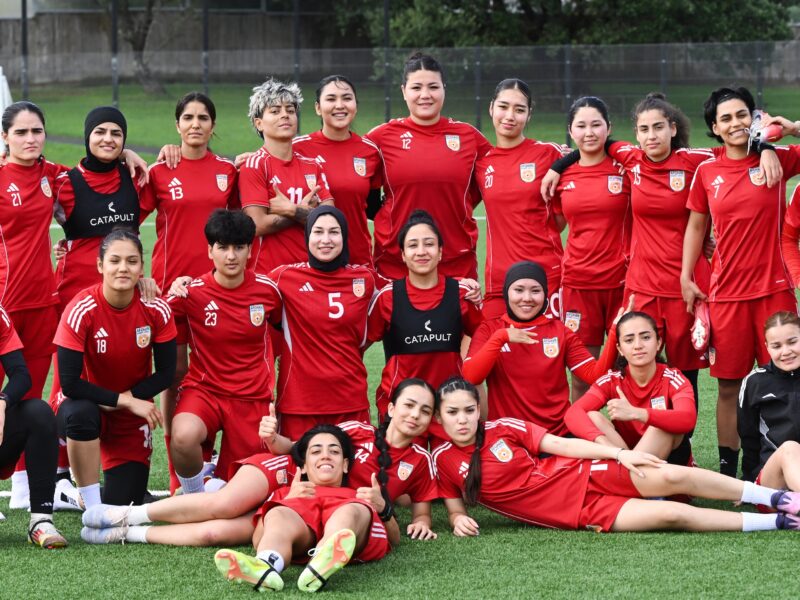
FIFA granted international eligibility to Afghanistan's women's national soccer team in April, reversing years of exclusion under Taliban rule and the subsequent exile of Afghan female athletes. The Afghanistan Football Federation, the domestic governing body, does not recognize the women's team, but FIFA's decision overrides that position and permits the athletes to compete in international tournaments and qualifiers.
The ruling addresses a years-long crisis for Afghan women's soccer. After the Taliban regained power in August 2021, the regime banned women from playing sports entirely, forcing players and coaches to flee the country. Many sought asylum in neighboring nations and beyond. The team ceased official operations during this period, though some players continued training secretly or in diaspora communities.
FIFA's eligibility grant represents a watershed moment for Afghan women's athletics. The decision reflects international pressure on both FIFA and Afghanistan's football federation to support female athletes despite the domestic government's opposition. By granting eligibility independent of the federation's recognition, FIFA established that international sporting bodies can act unilaterally to protect athlete rights.
The practical impact is substantial. Afghan women players now can participate in World Cup qualifiers, continental championships, and friendly matches on the international stage. This creates pathways for visibility, sponsorship, and potential relocation opportunities for athletes still in or recently escaped from Afghanistan.
However, significant barriers remain. The players lack a unified home base, training facilities, and consistent funding. The federation's non-recognition complicates team organization, kit procurement, and administrative functions. Many players remain displaced across multiple countries, making team assembly logistically challenging.
The ruling also sets precedent for FIFA intervention in member associations. By bypassing the Afghanistan Football Federation's stance, FIFA asserted authority to protect athletes when domestic governance fails. This action signals that international sports federations may invoke similar independence doctrines in other contexts involving human rights violations or political repression of athletes.
The Afghan women's team's