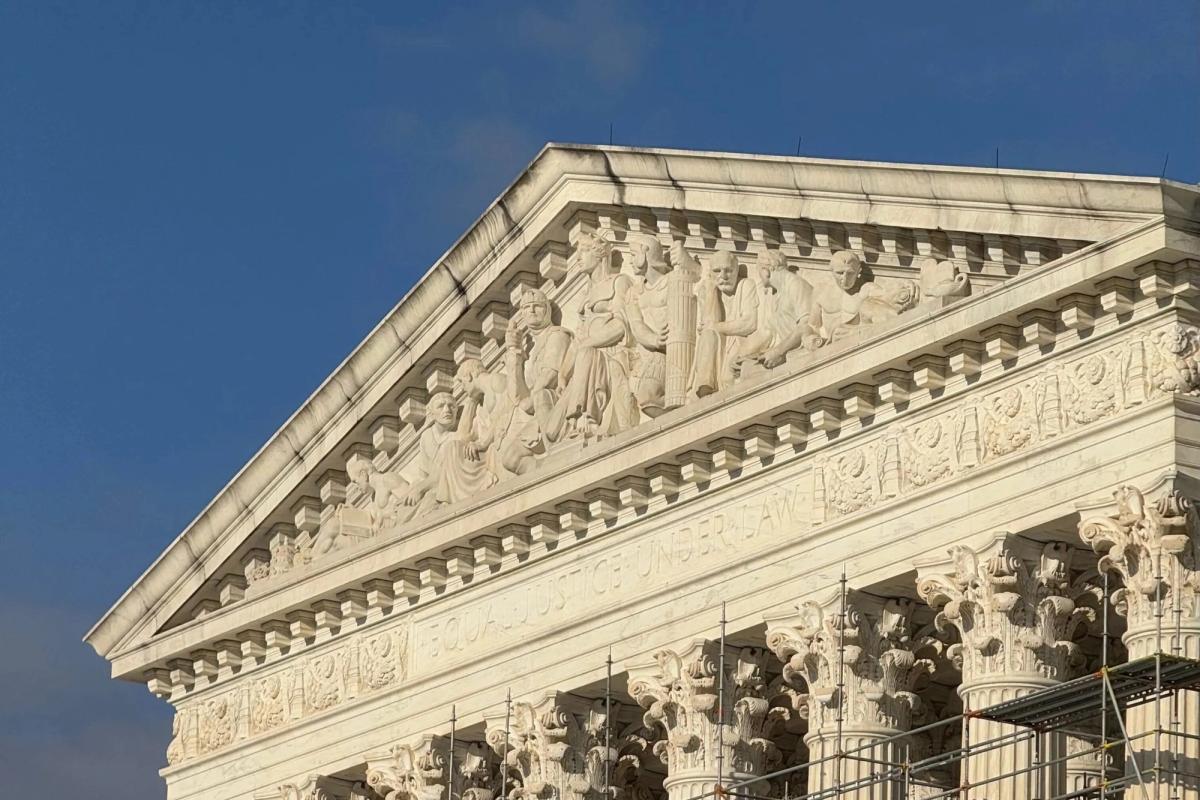
# A Brewing Tariff Refund Battle
The Supreme Court faces a contentious dispute over tariff refunds that could reshape how the federal government collects duties and reimburses importers. The case centers on whether companies can recover tariffs paid under challenged trade policies, and which court system holds jurisdiction over these claims.
At stake is access to the Court of International Trade, which specializes in tariff disputes, versus the Federal Circuit's appellate review. Importers argue they should recover duties paid on goods subject to unlawful tariffs, particularly those imposed during the Trump administration's trade wars. The government contends that certain tariffs remain valid exercises of executive authority under 19 U.S.C. Section 1202.
The practical implications extend beyond individual refund claims. A ruling favoring importers could open the courthouse doors to thousands of companies seeking reimbursement for billions in tariffs. This would impact major sectors including steel, aluminum, automobiles, and consumer goods. Conversely, a victory for the government would shield tariff collections from judicial scrutiny and preserve the administration's tariff authority.
The case also implicates the separation of powers doctrine. Courts must balance judicial review of tariff decisions against executive flexibility in trade negotiations. The government argues that reopening tariff assessments disrupts settled commercial relationships and complicates trade negotiations. Importers counter that judicial review provides necessary constitutional checks on executive overreach.
The "decision season" reference signals the Court's upcoming announcement window, when decisions typically cluster. The timing matters given the political sensitivity surrounding tariff policy. A ruling could influence pending trade negotiations or future tariff proclamations.
Legal observers note the case tests whether tariff law remains an executive stronghold or becomes subject to broader judicial supervision. The outcome will determine how American courts address future trade disputes and whether importers injured by tariffs can access meaningful remedies through the