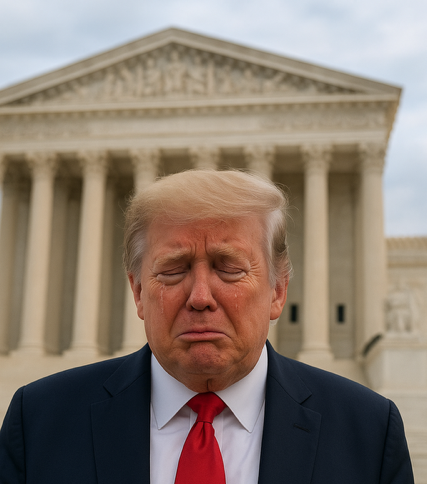
The federal government has lost approximately 10,000 attorneys since 2025, representing a dramatic exodus from government service. The departures signal systemic problems within federal agencies that extend beyond normal workforce turnover.
The timing coincides with the Trump administration's second term, which began in January 2025. Government responses to the departures have reportedly validated the reasons attorneys cite for leaving, according to Above the Law reporting. Federal legal positions typically offer lower compensation than private practice, but stability and meaningful work have historically offset the pay gap. That calculus has shifted.
The private sector has capitalized on the talent drain. Elite law firms including Hueston Hennigan are competing aggressively for former government lawyers through substantial compensation packages. Summer bonuses reaching $35,000 underscore the bidding war for experienced government attorneys. These lawyers bring institutional knowledge, regulatory expertise, and established relationships within agencies—assets private firms actively recruit.
The scale of departures creates operational challenges across federal agencies. Government legal offices depend on institutional continuity for handling complex litigation, regulatory matters, and policy analysis. Losing 10,000 attorneys forces accelerated hiring of less experienced staff, potentially degrading the quality of government legal work. Agencies face competing priorities: filling vacancies quickly versus maintaining hiring standards.
The departures also reflect broader questions about morale and workplace culture in federal service. Attorneys report concerns about political pressure, perceived changes to institutional norms, and questions about the independence of government legal advice. When talented lawyers conclude they can practice law more effectively elsewhere, recruitment and retention become existential challenges for government.
The situation extends beyond compensation disputes. It reflects decisions by thousands of individual attorneys that federal service no longer aligns with their professional values or career objectives. Rebuilding workforce capacity once lawyers leave government service requires years, not months. Agencies must reconstruct institutional knowledge while managing current caseloads and regulatory responsibilities with diminished