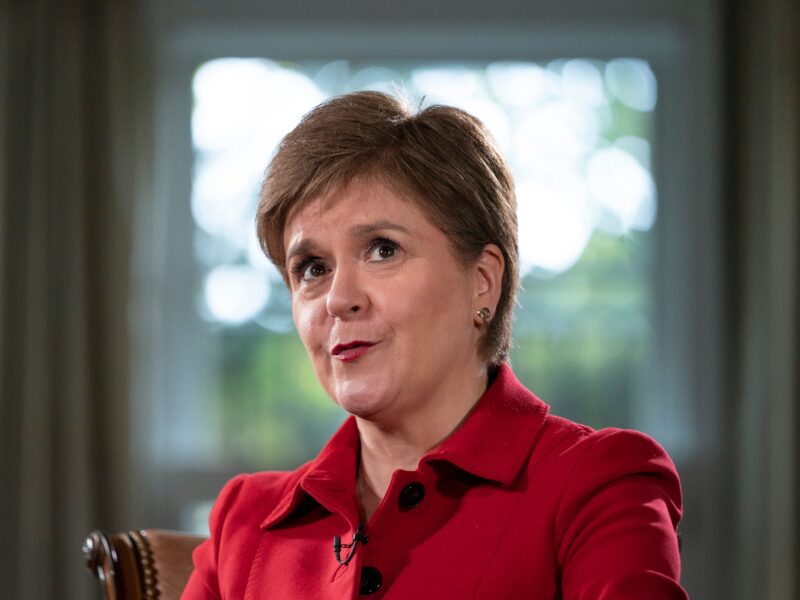
Scotland's former leader has rejected culpability in connection with her estranged husband's alleged embezzlement of Scottish National Party (SNP) funds. The statement comes as prosecutors investigate the misappropriation of party money and raises serious accountability questions within the U.K. political system.
The case centers on the alleged diversion of SNP funds by the former leader's spouse. While specific charges remain under investigation, the matter has triggered broader concerns about financial oversight within political parties and the personal liability of party officials for spousal conduct.
The former leader's denial of responsibility establishes a central legal question. Under U.K. law, officers of registered political parties bear fiduciary duties regarding party finances under the Political Parties, Elections and Referendums Act 2000 (PPERA). However, personal criminal liability for a spouse's independent actions typically requires direct knowledge or participation. The distinction between negligent oversight and criminal complicity will likely define prosecutorial strategy.
This case compounds existing erosion of public confidence in U.K. governance. Recent political scandals spanning Westminster, local authorities, and devolved administrations have demonstrated gaps in financial accountability mechanisms. Political parties operate under Electoral Commission oversight, yet enforcement remains inconsistent.
The SNP faces institutional damage regardless of individual culpability determinations. Party members may demand governance reforms, and donors may reconsider contributions. The Electoral Commission may examine whether existing party compliance procedures failed.
For the former leader personally, the investigation presents reputational and legal exposure. Even without criminal charges, civil proceedings could follow. Party leadership positions typically require unblemished financial stewardship records.
The case underscores structural weaknesses in U.K. political party regulation. Unlike corporate governance standards enforced by Companies House, political party financial controls depend partly on voluntary compliance and Electoral Commission audits conducted after misconduct occurs. Prosecutors must now determine whether existing legal frameworks adequately