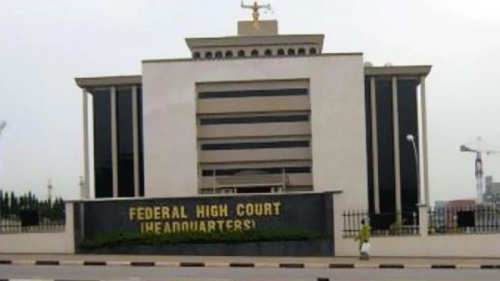
Justice Joyce Abdulmalik of the Federal High Court in Abuja has expedited proceedings against six suspects charged with plotting to overthrow President Bola Tinubu's government. The court scheduled trial commencement and bail hearings for April 29, April 30, May 4, and May 5.
The accelerated hearing represents a significant procedural move in a high-stakes security case. Federal courts in Nigeria typically manage coup-related charges with elevated urgency given their national security implications. The compressed timeline allows the court to move from preliminary bail determinations directly into substantive trial proceedings within a concentrated window.
The bail applications constitute the immediate legal battleground. Defense counsel will argue for release pending trial based on factors including flight risk, ties to the community, and the strength of the prosecution's case. The prosecution must demonstrate either that detention serves justice interests or that conditions can adequately address flight and obstruction concerns. Bail outcomes in alleged coup cases often hinge on the specific evidence of intent and capability presented at these hearings.
The accelerated calendar suggests the court prioritizes swift resolution. Justice Abdulmalik's decision reflects judicial acknowledgment that coup allegations demand expedited treatment under Nigerian law. However, compressed schedules can strain defense preparation, potentially raising appellate issues regarding adequate time to prepare a meaningful defense.
The charges themselves carry severe penalties under the Treachery and State Security (Offences) Act and related statutes. Convictions for coup plotting carry sentences up to life imprisonment or death depending on aggravating factors. The federal nature of the prosecution means appellate review would proceed through the Court of Appeal and potentially the Supreme Court of Nigeria.
This case intersects with broader governance questions about separation of powers and the judiciary's role in security matters. International observers typically scrutinize coup-related trials for procedural fairness and adherence to due process standards. The accelerated