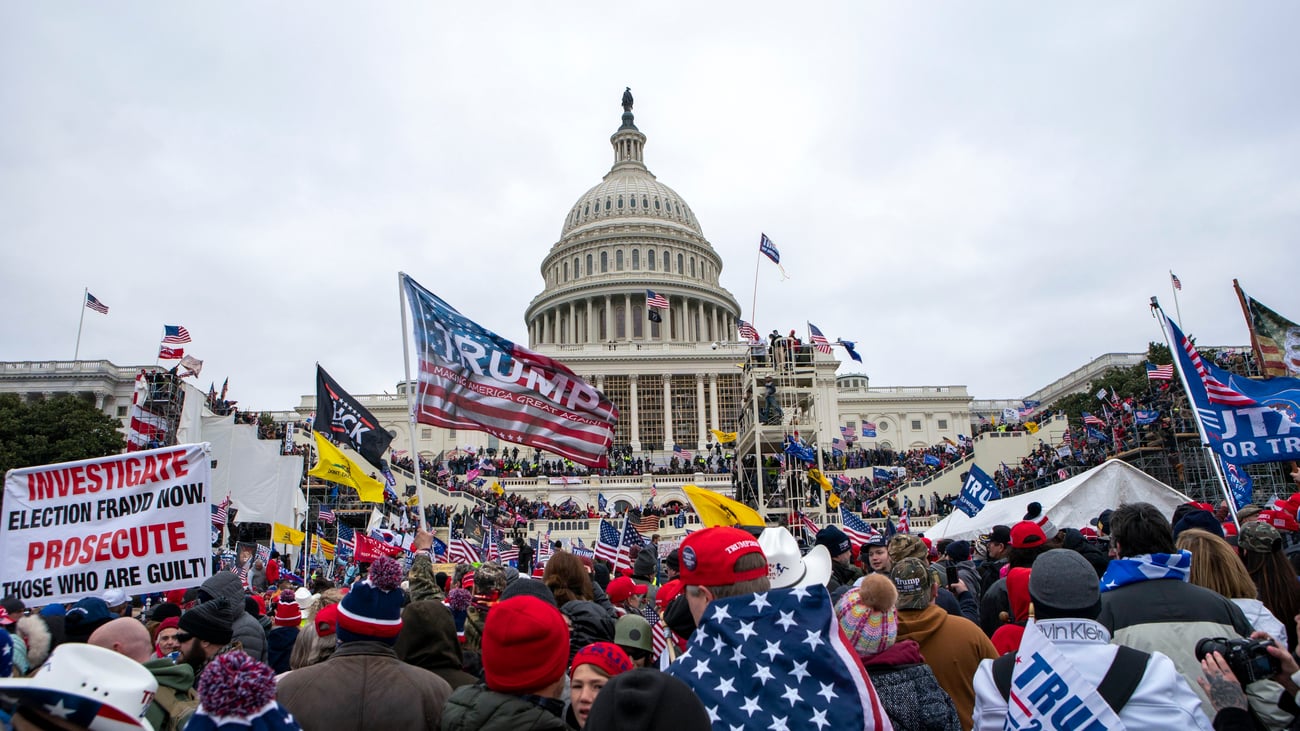
The Trump administration established a fund designed to compensate individuals allegedly targeted by what it characterizes as weaponized federal prosecutions. Several defendants charged in connection with the January 6, 2021 Capitol riot have submitted claims seeking payouts from this newly created "anti-weaponization" initiative.
The fund represents a controversial policy shift. The administration frames it as redress for persons subjected to what it views as politically motivated federal enforcement. Critics argue the fund improperly compensates individuals convicted or charged with serious federal crimes, including assault on law enforcement officers and obstruction of Congress.
January 6 defendants filing claims include individuals facing felony charges spanning from trespassing to conspiracy. Some have been convicted. Others remain in ongoing litigation. The administration has not disclosed specific criteria governing eligibility or payout amounts.
Legal observers flag several problems. Federal courts have convicted numerous Capitol rioters after trials and guilty pleas. Compensating convicted defendants contradicts established principles that restitution flows to crime victims, not perpetrators. Courts also note that federal prosecutors followed standard procedures in bringing charges related to the Capitol breach. No evidence supports systematic abuse of prosecutorial discretion.
Congressional Democrats oppose the fund. They argue it rewards participants in an attack on the Capitol that resulted in five deaths, hundreds of police injuries, and damaged federal property. Republicans supporting the initiative contend that certain prosecutions lacked merit or reflected political bias.
The administration claims authority to establish the fund through executive action. Legal challenges to the fund's validity appear likely. Questions persist regarding whether federal law permits executive compensation programs outside standard appropriations channels and whether accepting such payments constitutes admission of liability by the government.
The fund's ultimate scope and impact remain unclear. If broadly funded and liberally interpreted, it could compensate dozens of Capitol riot defendants. This would represent an extraordinary departure from historical practice regarding federal criminal liability and victim compensation frameworks.