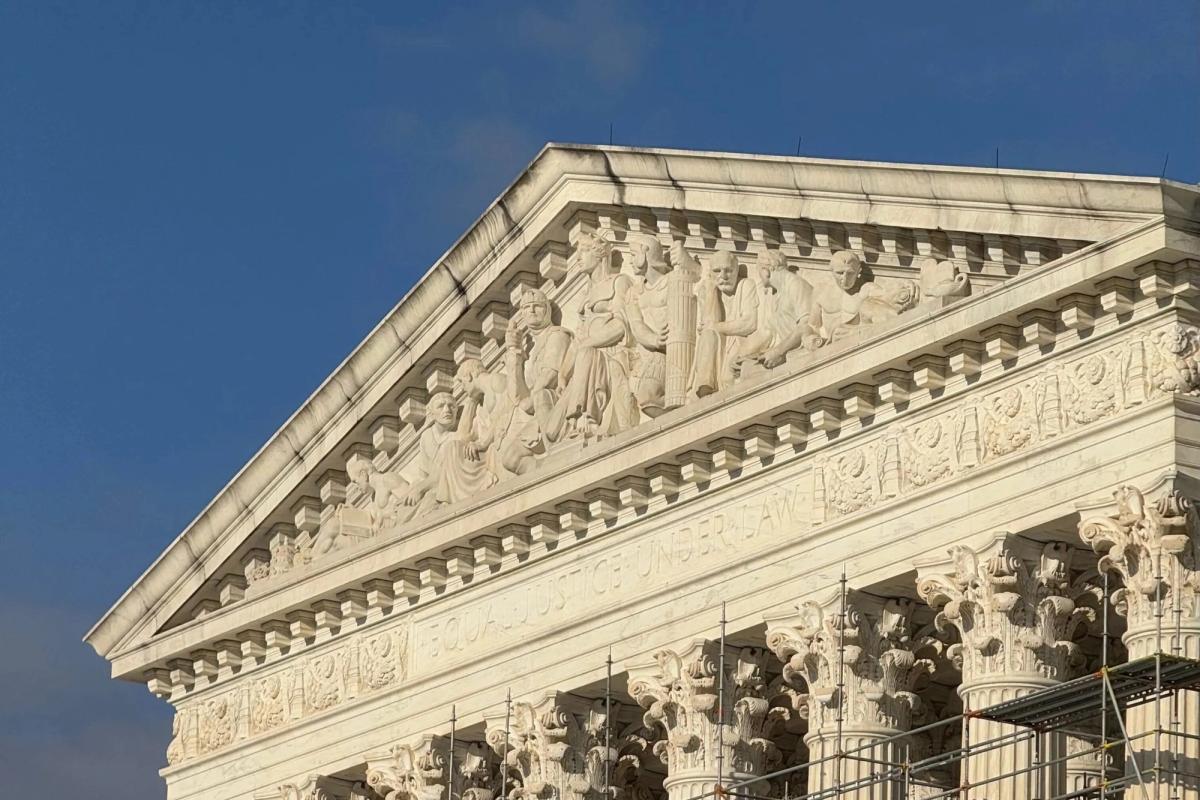
The Supreme Court continues grappling with procedural reform amid growing criticism of its "shadow docket" practices. The shadow docket refers to emergency orders and unsigned opinions issued outside the Court's regular merits docket, often decided with minimal briefing and without full oral argument.
The justices addressed three substantive matters in recent filings. First, the Court examined a Cuban confiscation claim involving property seizures under Fidel Castro's regime, determining whether U.S. courts retain jurisdiction over decades-old expropriation disputes. Second, the justices tackled whether death-row inmates retain the right to challenge their sentences based on intellectual disability after exhausting direct appeals. The question centers on Atkins v. Virginia precedent and what constitutes adequate IQ evidence. Third, the Court clarified ERISA provisions governing employee benefit plans, specifically addressing whether fiduciaries face liability for excessive fees or investment recommendations.
These decisions reflect the Court's core docket management challenge. The shadow docket has expanded substantially, with justices issuing emergency orders on abortion, immigration, and voting rights without traditional deliberation. Critics argue this process lacks transparency and adequate briefing. Defenders contend emergency situations demand rapid response.
The shadow docket reform debate extends beyond procedure. It implicates separation of powers, judicial accountability, and public confidence in the judiciary. When the Court acts quickly on divisive issues without full written explanations, lower courts struggle to apply ambiguous precedent. Parties affected by emergency orders receive limited opportunity to present arguments.
Congress and legal scholars have proposed reforms including requiring written opinions for all shadow docket decisions, extending briefing periods, and mandating oral argument for high-impact orders. The Court itself has resisted formal rule changes, preferring internal adjustments.
These three cases exemplify the breadth of matters reaching the shadow docket. Property confiscation claims typically require historical analysis