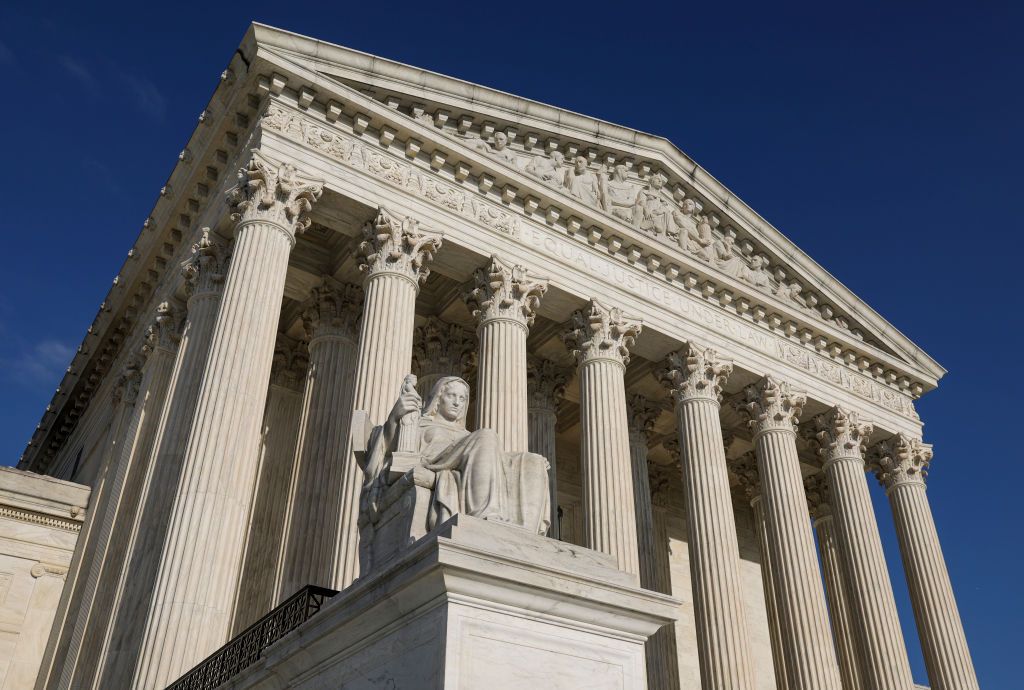
# The Supreme Court's Common Sense Problem
The Supreme Court faces mounting criticism for decisions that legal scholars and practitioners argue lack grounding in practical application and ordinary reasoning. Recent opinions reveal a widening gap between judicial doctrine and how laws function in the real world.
Legal commentators identify a pattern. The Court routinely adopts interpretive frameworks that produce results disconnected from statutory language, legislative intent, or workable enforcement mechanisms. Justices sometimes favor textualist or originalist methodologies so strictly that the outcomes surprise even their proponents.
One recurring complaint involves the Court's approach to administrative law. When the Court strikes down agency regulations or interprets statutes narrowly, the practical consequences often prove unworkable. Agencies tasked with implementing the decisions encounter contradictions or enforcement gaps. Congress, the Court assumes, can fix the problems through new legislation. This rarely happens. Regulatory vacuums result, leaving businesses and citizens without clear rules.
Another concern focuses on criminal law. Decisions that technically protect constitutional rights sometimes create perverse incentives or impossible burdens for law enforcement and courts. Judges applying the rulings encounter situations the Court never contemplated, forcing improvisation outside the opinion's logic.
Civil litigation presents similar problems. Doctrinal rules crafted by the Court occasionally prevent litigants from accessing courts or proving claims despite having legitimate grievances. The rules satisfy formal requirements but obstruct justice.
Legal practitioners emphasize that courts below struggle to apply Supreme Court precedent consistently. Ambiguities in major opinions spawn circuit splits and conflicting interpretations. The Court then takes years to clarify its own holdings, during which uncertainty harms those governed by the law.
Scholars note that the Court's nine members lack diverse practical experience with law outside the appellate bench. Few have tried cases, negotiated settlements, or managed compliance programs. This detachment may explain why theoretically elegant doctrines often