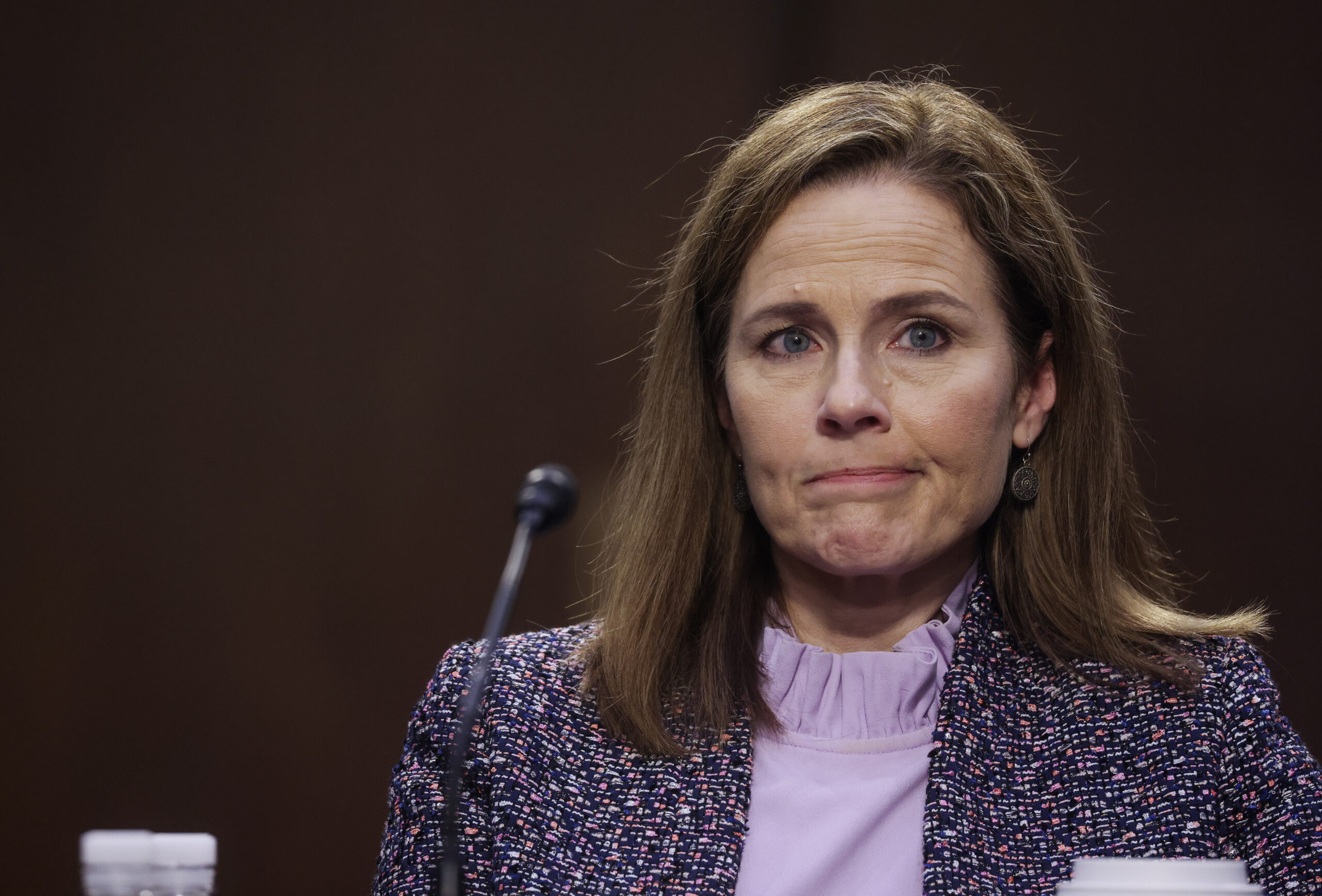
Justice Amy Coney Barrett's residence became the target of a possible swatting call, according to NBC News reporting. Swatting involves making false emergency reports to dispatch armed police to a victim's location, creating dangerous situations and tying up law enforcement resources. The incident underscores growing security threats against federal judges, particularly Supreme Court justices whose addresses are occasionally public knowledge.
The Consumer Financial Protection Bureau faces internal turmoil over its return-to-office mandate, which threatens to accelerate staff departures, according to Law360. The agency has already faced criticism for undermining its own career attorneys, including moves to withdraw enforcement actions. The CFPB implemented a return-to-office policy that may trigger resignations among agency personnel, compounding existing morale problems. Meanwhile, the bureau moved to withdraw a $5 million penalty against Winklevoss crypto exchange, signaling shifts in enforcement direction under new leadership.
The reporting identifies a broader pattern of institutional strain at the CFPB, where leadership decisions clash with career staff positions. The return-to-office requirement represents a practical burden for federal employees accustomed to remote work arrangements and suggests management priorities that prioritize in-person presence over workplace flexibility. Such mandates often precede voluntary attrition in competitive labor markets where skilled attorneys can relocate to private practice.
These stories reflect two distinct pressures on the federal judiciary and regulatory apparatus. The swatting threat against Barrett illustrates the personal security risks judges face in an era of polarized political conflict and accessible personal information. The CFPB's internal challenges reveal tensions between political appointees and career civil servants over agency direction, enforcement strategy, and workplace conditions. Both developments carry practical consequences: heightened security measures for judges and potential loss of institutional expertise at a major consumer protection agency.