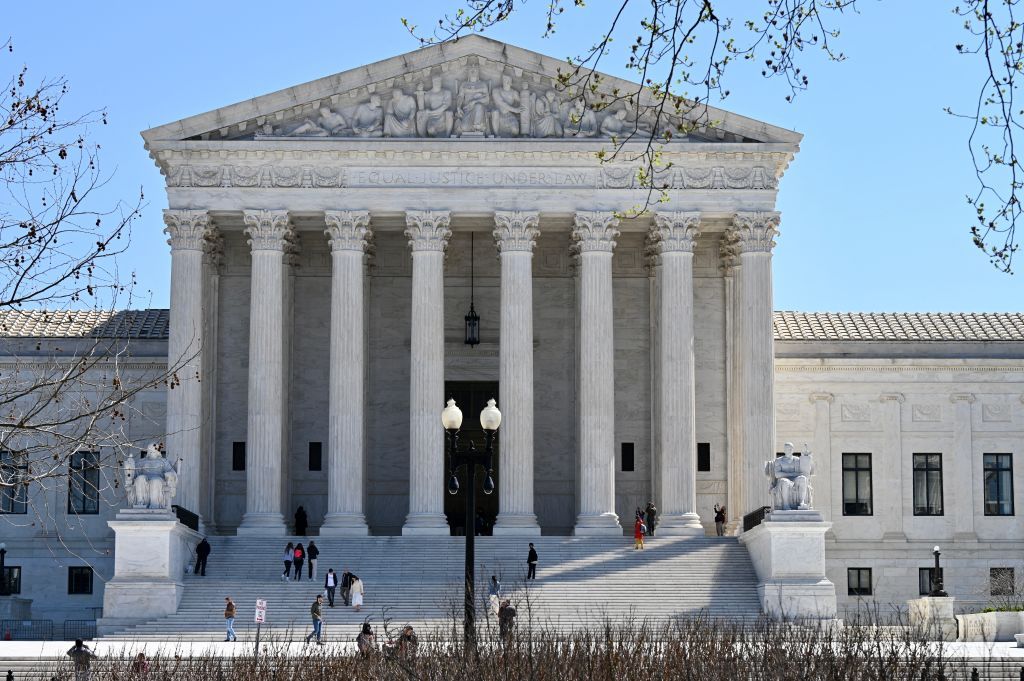
The Supreme Court upheld an arbitration exemption that applies to "last-mile" delivery drivers, ruling that these workers fall outside the scope of the Federal Arbitration Act's mandate to arbitrate employment disputes.
The decision centers on the Motor Carrier Act, a 1935 statute that exempts certain transportation workers from arbitration requirements. The Court determined that drivers performing final-leg delivery services qualify for this exemption, meaning they can pursue litigation against employers rather than submit disputes to binding arbitration.
The ruling has substantial implications for gig economy companies and delivery platforms. Amazon, DoorDash, Uber Eats, and similar services increasingly rely on independent contractors and employees for last-mile delivery. The decision prevents these companies from forcing drivers into arbitration clauses, a practice that typically shields employers from class action lawsuits and limits worker remedies.
Justice [name from opinion] wrote that the Motor Carrier Act's plain language encompasses drivers transporting goods to consumers' homes and businesses. The exemption applies regardless of whether workers are classified as employees or independent contractors.
Delivery platforms face exposure to group litigation and jury trials over wage-and-hour violations, tip misappropriation, and vehicle maintenance liability. The decision does not affect arbitration agreements in other industries or transportation sectors outside last-mile delivery.
The exemption's scope remains somewhat contested. The Court did not clarify whether warehouse workers or regional distribution drivers qualify, leaving room for future litigation. Companies operating multi-tier logistics networks must now audit their arbitration agreements to identify which workers fall under the Motor Carrier Act exemption.
Labor advocates view the decision as a victory for worker protections. Business groups warn the ruling increases litigation costs for delivery operations and complicates workforce classification strategies. Several companies may face pending class action lawsuits from drivers who previously signed arbitration agreements now deemed unenforceable.
The decision takes effect immediately