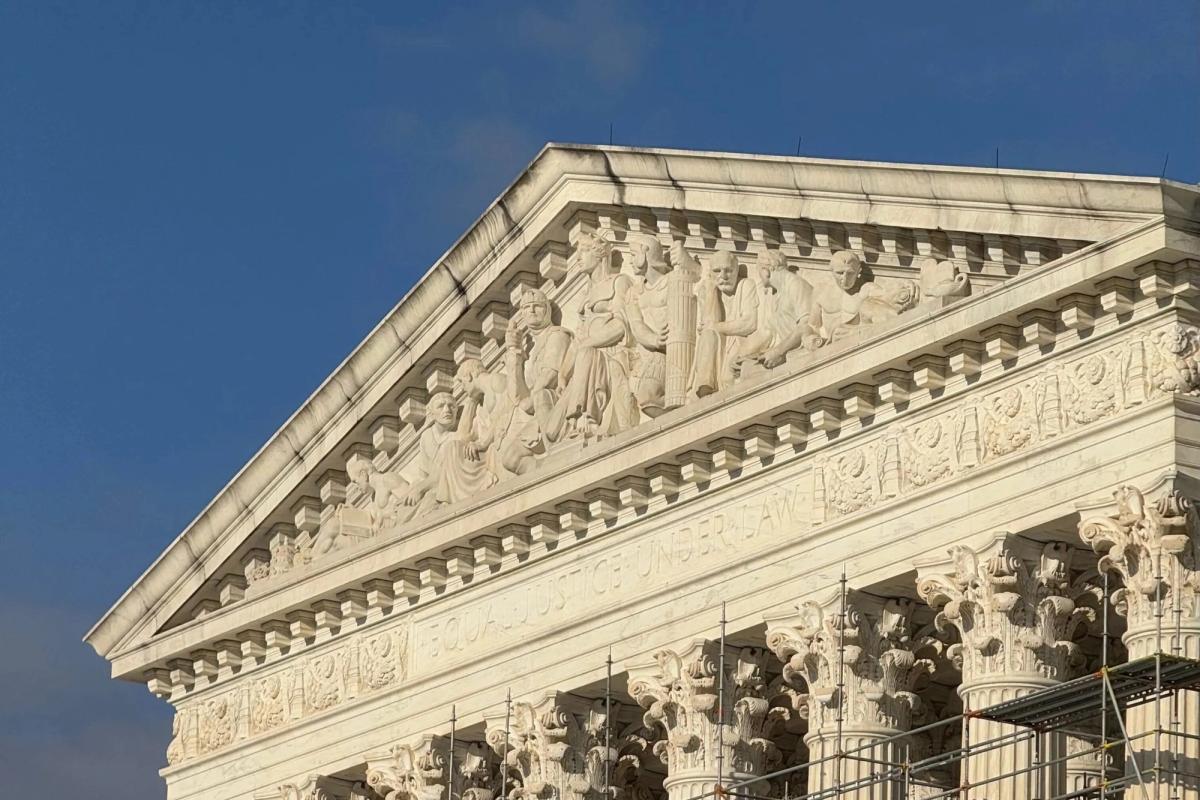
# Jury duty for a justice
The Supreme Court released four opinions Thursday addressing prison sentencing reductions, jury selection procedures, and the employment classification of last-mile delivery drivers.
The Court tackled a case involving whether judges may shorten prison sentences beyond statutory minimums under certain circumstances. This ruling affects how federal judges apply discretion in sentencing decisions and carries implications for thousands of inmates seeking sentence reductions under applicable federal statutes.
A second opinion addressed jury selection procedures, examining how courts handle challenges to potential jurors during voir dire. The decision clarifies standards for removing jurors and affects trial practices across state and federal courts.
The Court also issued a ruling on whether last-mile delivery drivers qualify as employees or independent contractors. This classification has substantial economic consequences for gig economy companies and worker benefits. The determination influences wage and hour protections, unemployment insurance eligibility, and workers' compensation coverage for millions of delivery workers.
The fourth opinion involved another criminal procedure matter, though specifics remain limited pending full opinion releases.
SCOTUSblog's report did not disclose vote counts, reasoning, or which justices wrote majority or dissenting opinions. The rulings take effect immediately and establish binding precedent for lower courts nationwide.
These decisions address longstanding disputes affecting the criminal justice system's operation and modern employment classification standards. The sentencing and jury selection opinions influence criminal defense strategies and prosecution practices. The employment classification ruling has immediate practical consequences for how companies structure delivery operations and worker compensation obligations.
Lower courts must now apply these standards retroactively where applicable, potentially triggering motions in pending cases and supporting appeals in decided matters.