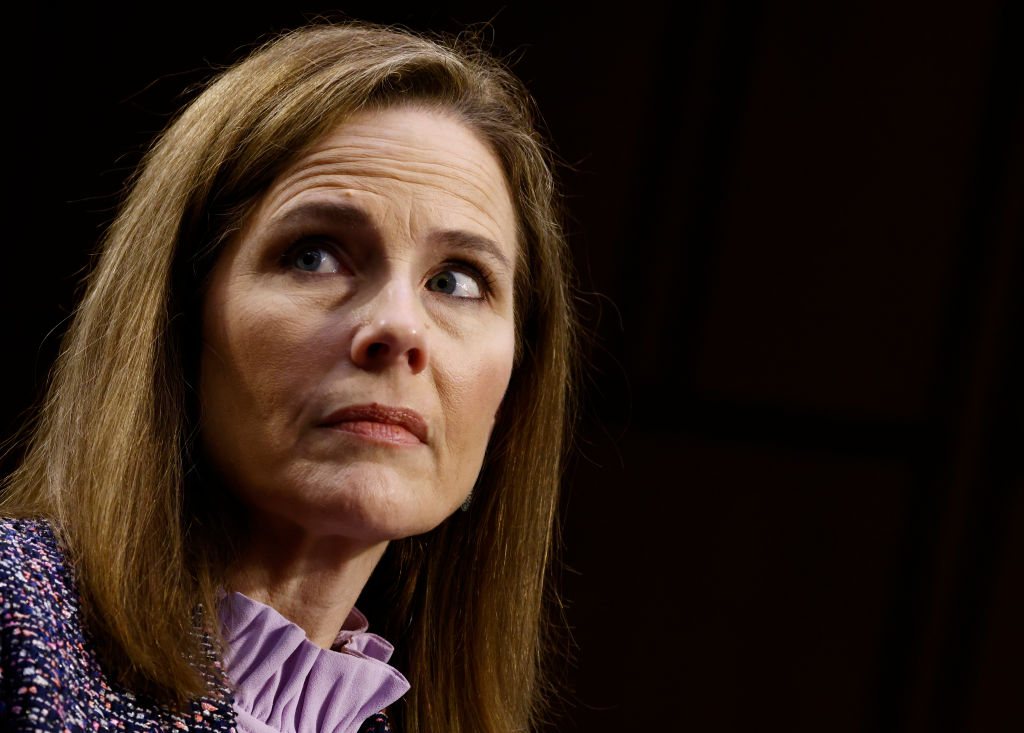
A swatting incident targeting Supreme Court Justice Amy Coney Barrett's residence has exposed a stark disparity in public attention and security protections for federal judges. Someone made a false emergency report of gunfire at Barrett's Indiana home, triggering a full law enforcement response. The incident underscores mounting threats against the judiciary nationwide.
While Barrett's case generated headlines as a sitting Supreme Court justice, lower court judges face a barrage of threats that receive far less scrutiny and protection. District court judges, circuit court judges, and state court jurists handling divisive cases regularly encounter violent rhetoric, death threats, and coordinated harassment campaigns. Yet these judges operate with minimal security resources and limited public awareness of the dangers they confront.
The judicial threat landscape has deteriorated significantly. Federal judges report receiving threats at rates not seen in recent decades, driven partly by polarized responses to high-profile rulings on abortion, voting rights, and other contentious issues. The Security in Courts Act and similar legislation address some protective measures, but gaps remain substantial, particularly for non-SCOTUS judges who handle the vast majority of America's caseload.
Swatting itself carries criminal penalties under federal law and various state statutes targeting false emergency reports and malicious activities directed at law enforcement. The practice places both responding officers and intended targets at serious risk of harm. Yet prosecutors struggle with attribution and enforcement when perpetrators operate across jurisdictions or maintain anonymity online.
The disparity reflects broader problems in judicial security funding and prioritization. Supreme Court justices receive Capitol Police protection. Many lower court judges receive nothing beyond courthouse security infrastructure. This creates a two-tiered system where elevation to the highest court triggers security upgrades, while judges handling equally divisive cases in district courts remain vulnerable.
Federal judges have called for comprehensive security overhauls, including residential protection for threatened judges, better threat assessment protocols, and enhanced online monitoring capabilities. The Judicial