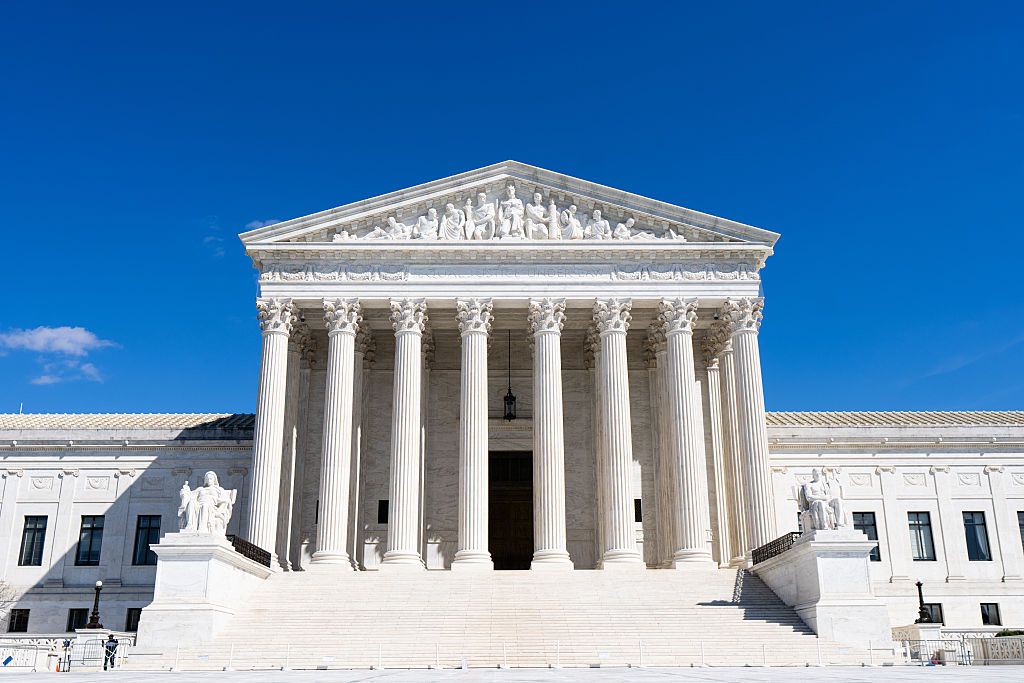
# A History of Supreme Court Leaks
The Supreme Court has experienced multiple unauthorized disclosures of draft opinions and internal documents throughout its history, though such leaks remain exceptionally rare given the institution's culture of secrecy and compartmentalization.
The most significant leak in modern times occurred in May 2022, when Politico published a draft majority opinion in Dobbs v. Jackson Women's Health Organization before the Court issued its final decision. The draft showed Justice Samuel Alito's majority opinion overturning Roe v. Wade and Planned Parenthood v. Casey. The breach shocked the legal community and prompted Chief Justice John Roberts to authorize an investigation into the leak's source. The Court never publicly identified who leaked the document.
Earlier leaks shaped constitutional law less dramatically but still carried weight. In 1973, information about internal Court discussions surrounding Roe v. Wade itself emerged through Bob Woodward and Scott Armstrong's book "The Brethren," published a decade later. The book revealed detailed accounts of justices' deliberations and voting patterns based on interviews with clerks and former Court personnel.
The 1986 leak concerning the Court's decision in Bowers v. Hardwick emerged through journalist Stuart Taylor, who reported on internal divisions before the opinion's release. These leaks occasionally came from clerks seeking to influence public understanding of pending cases or from retired justices reflecting on historic decisions.
The Court's response to leaks has intensified over time. Justices now limit access to draft opinions, restrict clerk communications about pending cases, and require employees to sign confidentiality agreements. The 2022 Dobbs leak prompted additional security measures, including investigations into clerk conduct and tighter document handling protocols.
Legal scholars debate whether leaks serve the public interest by providing transparency into judicial reasoning or whether they threaten the Court's deliberative process. The secre