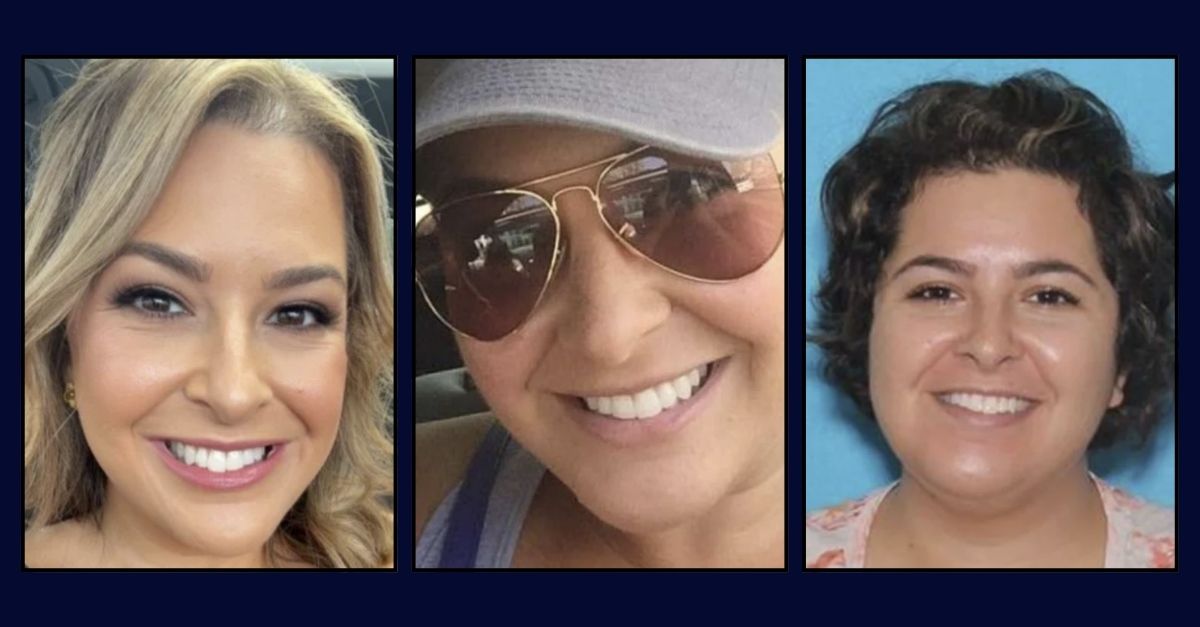
A woman defrauded donors by fabricating a terminal brain cancer diagnosis to finance leisure trips to Australia, according to FBI findings. The suspect claimed to have a life-threatening illness and solicited charitable donations under false pretenses. Federal investigators determined that during an April 2016 trip to Australia, she pursued recreational activities exclusively and obtained zero medical treatment. The discrepancy between her stated medical emergency and documented behavior became central to the fraud investigation.
The scheme involved soliciting funds through representations of urgent medical need while the defendant actually used the money for personal travel and entertainment. By claiming terminal cancer, she exploited the sympathy and goodwill of donors who believed their contributions would support critical healthcare expenses or end-of-life wishes.
This case falls under federal wire fraud and charitable fraud statutes, which criminalize obtaining money through material misrepresentation. The FBI's investigation uncovered documentary evidence including travel records, credit card statements, and witness testimony contradicting her medical claims. The Australia trip provided particularly damaging evidence since the defendant engaged in strenuous leisure activities inconsistent with someone undergoing terminal cancer treatment or experiencing associated debilitation.
The case illustrates the vulnerability of crowdfunding platforms and charity-based fundraising to fraudulent exploitation. Donors who contribute based on medical emergencies face limited verification mechanisms before transferring funds. Federal authorities increasingly prosecute these cases aggressively, viewing them as serious theft offenses despite their reliance on deception rather than traditional burglary or robbery.
Such prosecutions carry substantial penalties under 18 U.S.C. Section 1343 (wire fraud) and related statutes, potentially resulting in prison sentences exceeding a decade and mandatory restitution to victims. The case also demonstrates how electronic communications and digital transaction records enable the FBI to construct comprehensive timelines disproving fraudulent narratives. Healthcare fraud involving false diagnoses receives heightened federal scrutiny given