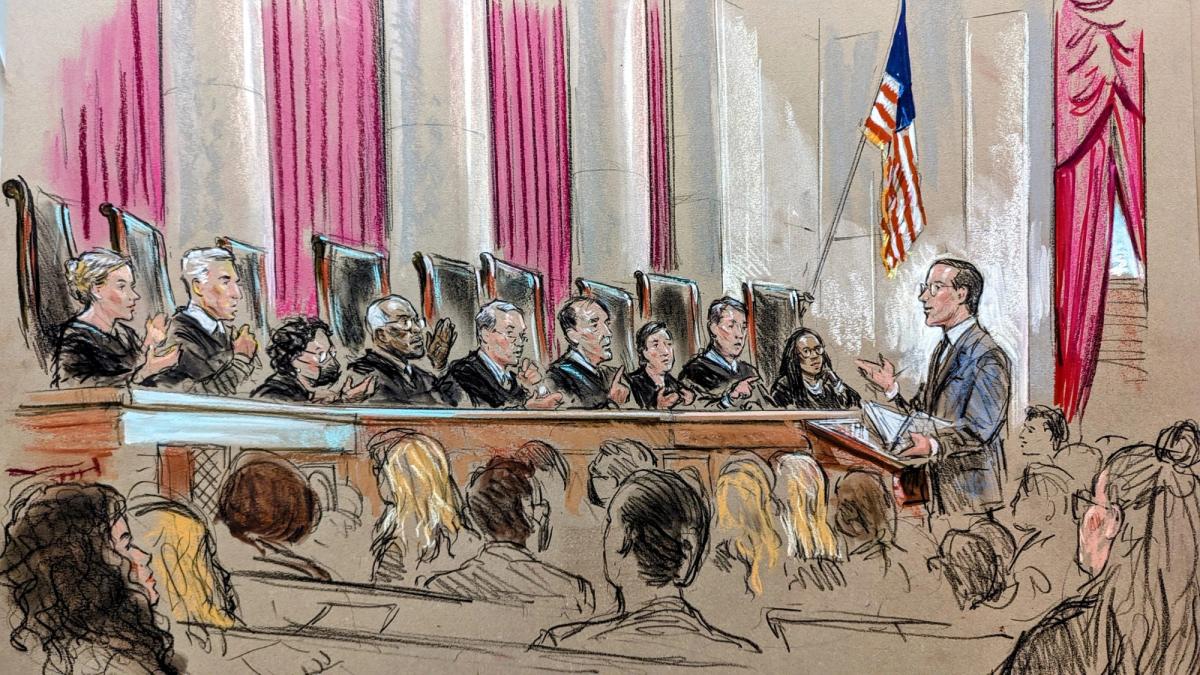
# What Oral Argument Reveals About Supreme Court Unanimity and Division
Supreme Court oral arguments provide a window into justices' thinking before they issue opinions, and the patterns of questioning during these proceedings often predict eventual outcomes. Scholars analyzing argument transcripts have identified correlations between the intensity and direction of judicial questions and final vote alignments.
Justices deploy oral argument strategically. Those leaning toward reversal tend to ask sharper questions of the favored side's attorney. Justices inclined to affirm the lower court typically press harder on the appellant's counsel. This questioning behavior telegraphs judicial inclinations weeks before written opinions appear.
Recent Supreme Court terms have shown increasing ideological polarization reflected in oral argument exchanges. Conservative justices cluster their questions toward particular outcomes, as do their liberal counterparts. The 2021 and 2022 terms demonstrated sharper ideological fault lines during arguments than in previous decades.
Unanimous decisions, by contrast, emerge from oral arguments with noticeably different dynamics. When justices across ideological lines ask similar questions or pursue shared analytical paths, the case typically results in a 9-0 or near-unanimous verdict. The absence of pointed follow-up questions directed at one side signals potential consensus.
Oral argument also reveals how individual justices influence colleagues. Chief Justice John Roberts often moderates tone and redirects conversations toward narrower holdings. Justice Elena Kagan's questions frequently expose logical inconsistencies in both sides' positions, pushing toward middle-ground solutions. Justice Samuel Alito's focused inquiries typically foreshadow his eventual voting position.
The 2023 term showed fewer unanimities than previous years, with argument transcripts reflecting deeper divisions. Cases involving affirmative action and religious liberty featured sharp exchanges between justices representing competing constitutional visions. These arguments ultimately produced sharply divided opinions rather than consensus views.
Court observers and