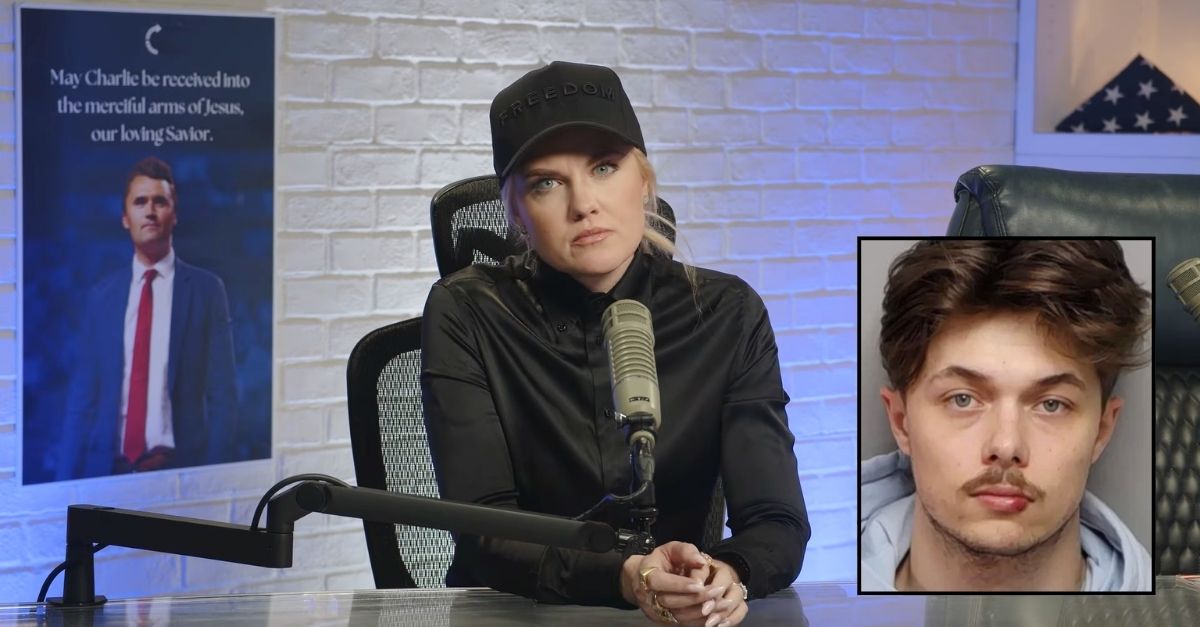
A Texas man faces arrest after making explicit threats against Erika Kirk, wife of political activist Charlie Kirk, according to police reports. The suspect allegedly posted online messages threatening to kill Kirk and vowed to "drive" her "straight to the grave." He also made comments about serving as her "valet" at an upcoming Turning Point rally scheduled in San Antonio, which law enforcement interpreted as a veiled reference to his violent intentions.
The threatening posts targeted Kirk as "scum" and expressed eagerness to carry out harm against her. Police documented the online communications as part of their investigation into the threats. The arrest followed a threat assessment that concluded the statements posed a genuine danger to the intended victim.
The case triggers application of federal and state statutes addressing interstate threats and harassment. Federal law prohibits threats against individuals made through interstate commerce, including social media and internet platforms, under 18 U.S.C. Section 875(c). Texas Penal Code Section 22.07 covers harassment by threat, which applies when a person threatens another with bodily injury intending to harass, annoy, alarm, or offend.
Law enforcement coordination between local San Antonio authorities and federal agencies likely assisted in the investigation, given the explicit nature of the threats and the public nature of the target. The Turning Point event context elevated security concerns, as rallies attract crowds and present heightened protection challenges.
This arrest underscores the legal consequences of online threats targeting public figures and their families. Prosecutors need not prove the defendant possessed actual means to carry out the threat, only that he made the statement knowingly with intent to threaten. Courts consistently reject free speech defenses for true threats, as the Supreme Court established in Virginia v. Black, 538 U.S. 343 (2003).
The case reflects broader patterns of law enforcement taking online political rhetoric seriously when it crosses from protected speech into explicit