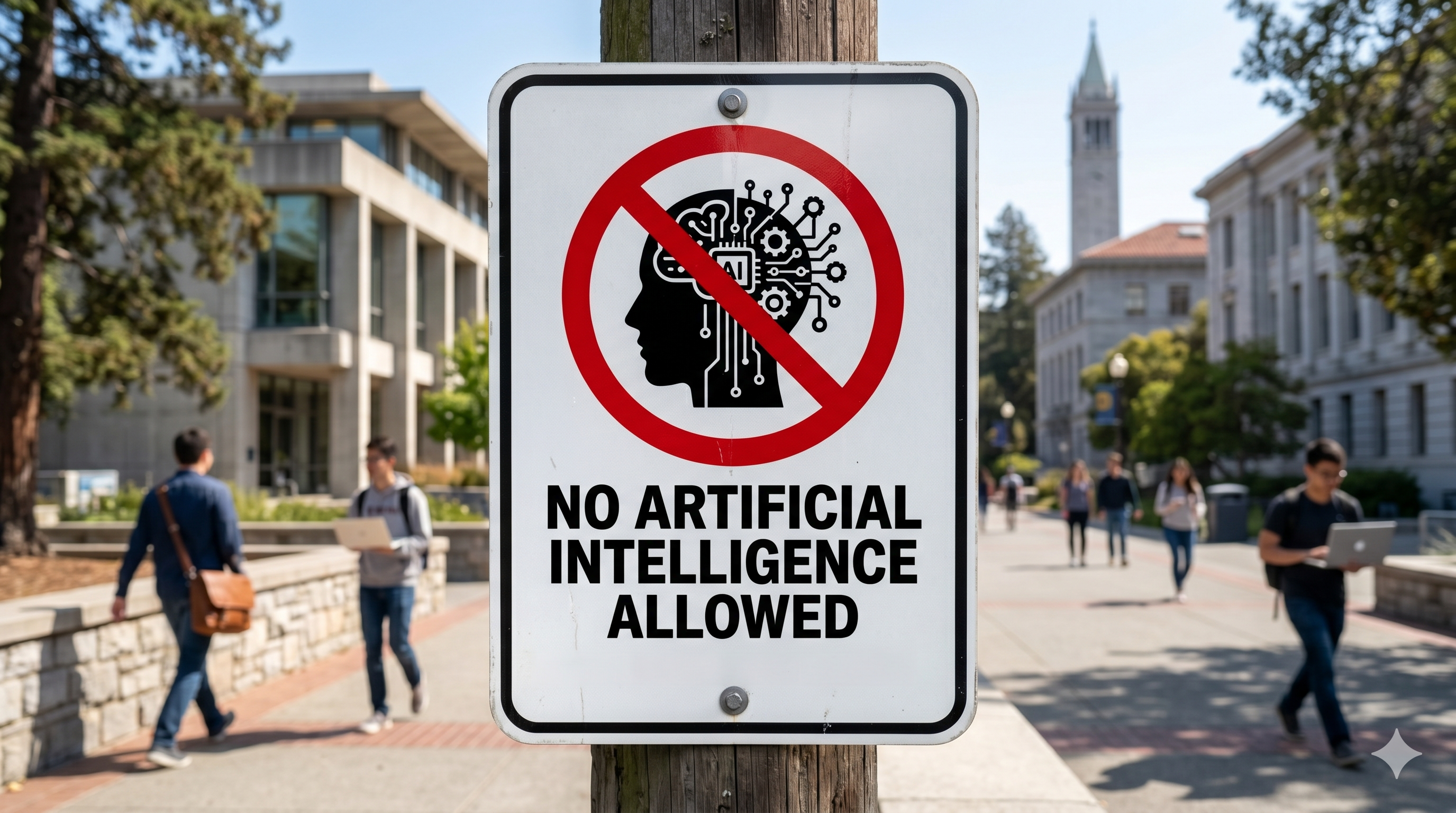
UC Berkeley School of Law has implemented broad restrictions on artificial intelligence use, raising questions about whether the policy adequately prepares students for AI-driven legal practice and exposes their future clients to risk.
The restriction creates a paradox for legal education. Law schools bear responsibility for training competent attorneys. The American Bar Association's Model Rules of Professional Conduct require lawyers to provide competent representation and stay abreast of technology changes affecting legal services. A blanket AI ban may conflict with these obligations by leaving graduates unfamiliar with tools they will encounter in practice.
Berkeley's approach reflects legitimate concerns about academic integrity and the risks of over-reliance on AI systems that can produce inaccurate legal analysis or "hallucinated" case citations. Unvetted AI outputs in legal work pose real dangers. However, the question remains whether prohibition rather than supervised instruction better serves students and clients.
Law firms increasingly deploy AI for document review, legal research, contract analysis, and due diligence. Clients increasingly expect lawyers to understand these capabilities and limitations. Graduates entering practice without AI competency may find themselves unprepared to serve clients effectively or compete with peers trained at schools embracing responsible AI integration.
The pedagogical challenge extends beyond client service. Lawyers bear ethical duties to use competent technology and understand its implications. A generation of attorneys educated under blanket restrictions may lack the foundational knowledge needed to evaluate AI tools critically, spot errors, or implement safeguards.
Berkeley's implicit position appears to be that excluding AI entirely prevents misuse. Yet this approach mirrors earlier resistance to legal research databases and other innovations. Schools that ban technology rather than teach its proper use abdicate responsibility for professional competence.
A more nuanced path exists. Schools could develop curriculum that teaches AI capabilities and limitations, requires transparency about when AI assists legal work, emphasizes verification protocols, and maintains human judgment as paramount. Supervised AI use in controlled settings