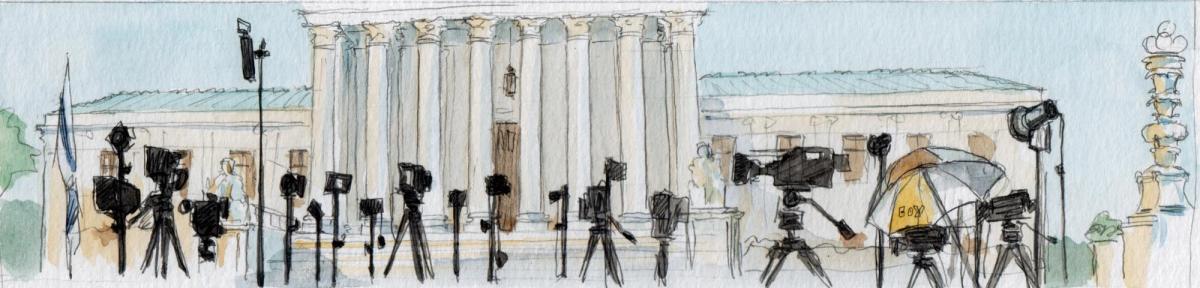
The Supreme Court faces competing pressures over two foundational doctrines governing federal litigation: the evidentiary standards established in Daubert v. Merrell Dow Pharmaceuticals and the deference framework embedded in the Antiterrorism Effective Death Penalty Act of 1996.
The Daubert framework, established in 1993, empowers trial judges to serve as gatekeepers, excluding expert testimony that lacks reliable methodologies or sufficient scientific grounding. Courts apply Daubert across civil and criminal cases, determining whether expert witnesses meet rigorous reliability thresholds before juries hear their opinions.
AEDPA, enacted in 1996, imposes stringent review standards on federal habeas corpus petitions challenging state court convictions. The statute requires petitioners to demonstrate that state courts acted contrary to clearly established Supreme Court precedent or unreasonably applied existing law. This deference to state court decisions creates friction with Daubert principles when defendants challenge convictions based on allegedly unreliable expert testimony admitted at trial.
The tension emerges when federal courts reviewing state convictions under AEDPA must evaluate whether trial courts properly applied Daubert standards. If a state court admitted questionable expert evidence, should the federal court defer to that state court decision under AEDPA, or should it conduct independent Daubert analysis? The Supreme Court has not resolved this conflict cleanly.
Lower courts currently split on whether AEDPA deference applies to Daubert determinations. Some circuits treat Daubert rulings as subject to AEDPA's substantial deference. Others conduct more searching review when expert testimony bears on constitutional fairness and reliability.
This doctrinal tension affects criminal defendants who challenge convictions based on junk science admitted during trial. It also impacts civil litigants seeking consistent expert evidence standards across jurisdictions. If AEDPA requires excessive deference to state