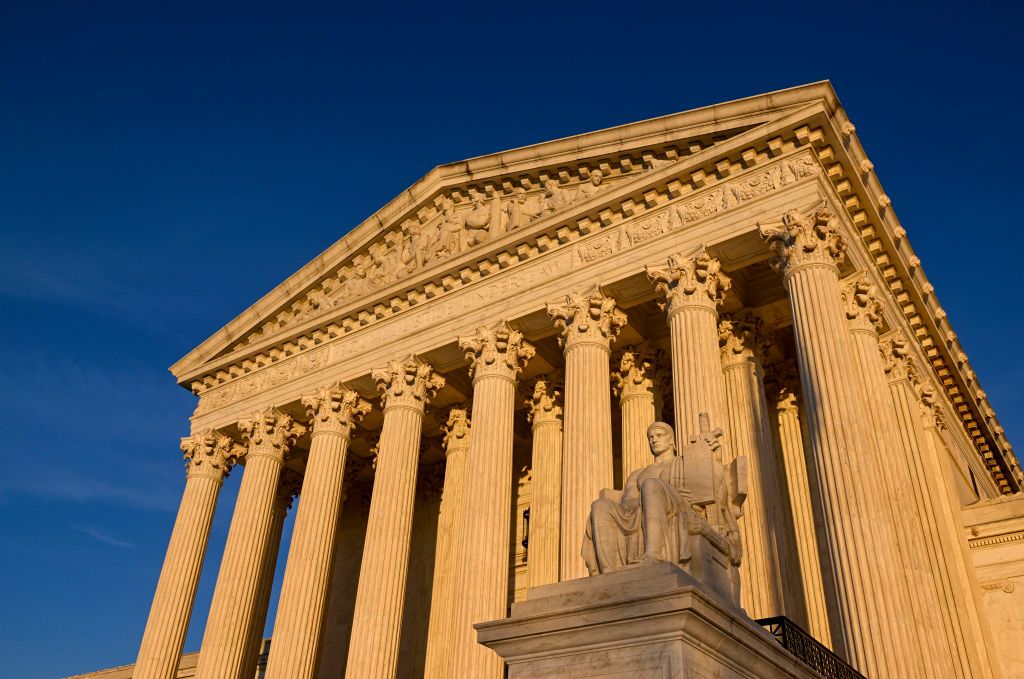
# Supreme Court's Shelby County Precedent Faces Fresh Legal Challenge
The principle established in Shelby County v. Holder continues to reshape voting rights enforcement across America. In that 2013 decision, the Supreme Court struck down Section 4(b) of the Voting Rights Act, which required certain jurisdictions with histories of racial discrimination to obtain federal approval before changing election rules. The ruling eliminated the preclearance requirement that had protected minority voters for decades.
Legal scholars and voting rights advocates now argue the decision reflects outdated reasoning about the persistence of discrimination. The preclearance mechanism operated by identifying jurisdictions based on voting discrimination patterns from 1965 and 1972. The Supreme Court majority reasoned that conditions had changed enough to make the coverage formula unconstitutional under the Fifteenth Amendment.
The practical consequences have proven severe. Without preclearance, states and counties have implemented voter identification laws, redistricting maps, and polling place closures that disproportionately affect Black voters and other minorities. The Department of Justice has challenged numerous voting law changes, but litigation moves slowly. Cases wind through federal courts for years while restrictions remain in effect.
Advocates pressing to rethink Shelby County contend that contemporary voting discrimination remains endemic. They point to gerrymandering that dilutes minority voting power, purges of voter rolls targeting Black communities, and changes to early voting and mail-in balloting that burden minority participation. These tactics, they argue, simply represent modern iterations of the discrimination the Voting Rights Act originally targeted.
Congress could respond by crafting a new coverage formula reflecting current discrimination patterns and submitting it to the Supreme Court for review. However, this approach faces political obstacles. The current Supreme Court composition suggests hostility to expansive voting rights protections. Justice Elena Kagan warned in recent opinions that the Court has dismantled voting rights safeguards without providing viable