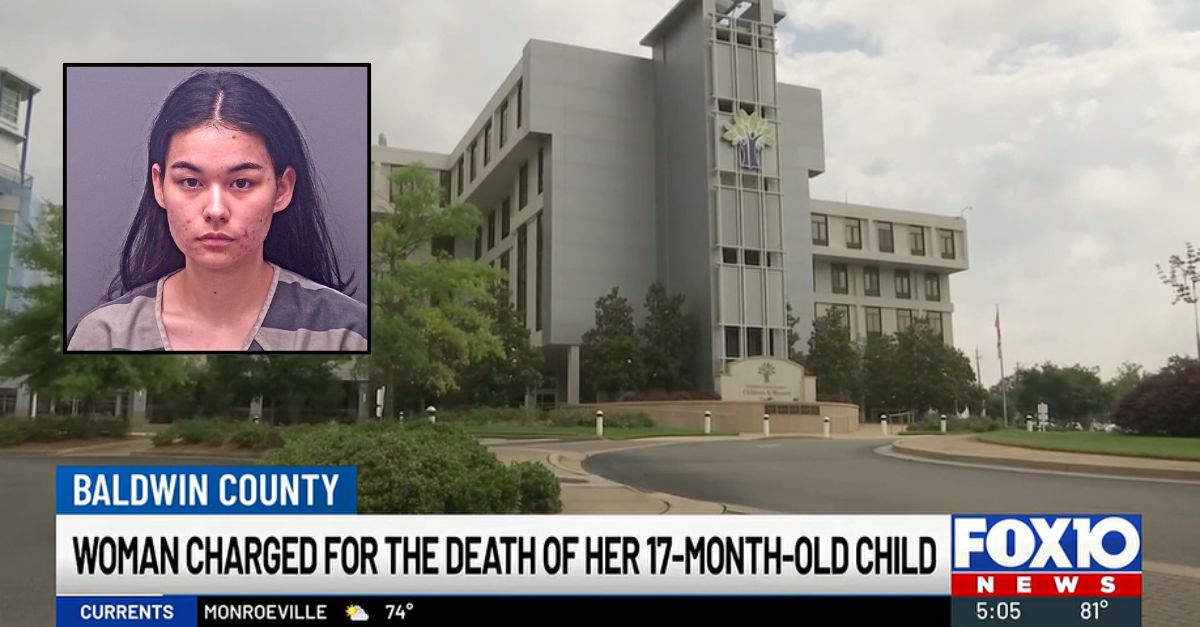
An Alabama mother faces homicide charges after authorities allege she administered a "liquid solution" through her 17-month-old son's feeding tube, resulting in the child's death. The toddler required the feeding tube due to special needs.
Law enforcement launched an investigation following the child's death. Detectives determined the mother deliberately introduced the solution into the feeding apparatus, which directly caused the fatal outcome. The specific composition of the liquid remains under investigation, though authorities have identified it as a substance capable of causing death.
The case presents prosecution on grounds of intentional homicide or potentially depraved heart murder, depending on Alabama's criminal statutes and the evidence developed. Alabama Code Section 13A-6-2 defines murder as an unlawful killing with intent or under circumstances manifesting extreme indifference to human life.
The feeding tube dependency placed the child in an exceptionally vulnerable position. As the primary caregiver administering essential nutrition, the mother held complete control over the child's survival needs. Introducing a harmful substance through this medical device constituted a direct attack on the child's ability to sustain life.
Medical records and autopsy findings likely establish causation between the substance and death. Toxicology reports and testimony from the medical examiner will form the cornerstone of the prosecution's case. Investigators must also determine whether the mother acted alone and establish motive.
The charge carries severe penalties under Alabama law. First-degree murder convictions result in sentences ranging from ten years to life imprisonment, with capital punishment remaining available in the state.
Child welfare authorities will face scrutiny regarding prior contact with the family. Cases involving special needs children sometimes reveal warning signs that agencies failed to address. The investigation may reveal whether the child received adequate medical oversight or whether caregiver stress became a factor.
This case underscores the vulnerability of dependent children and the trust placed in parents and guardians to provide