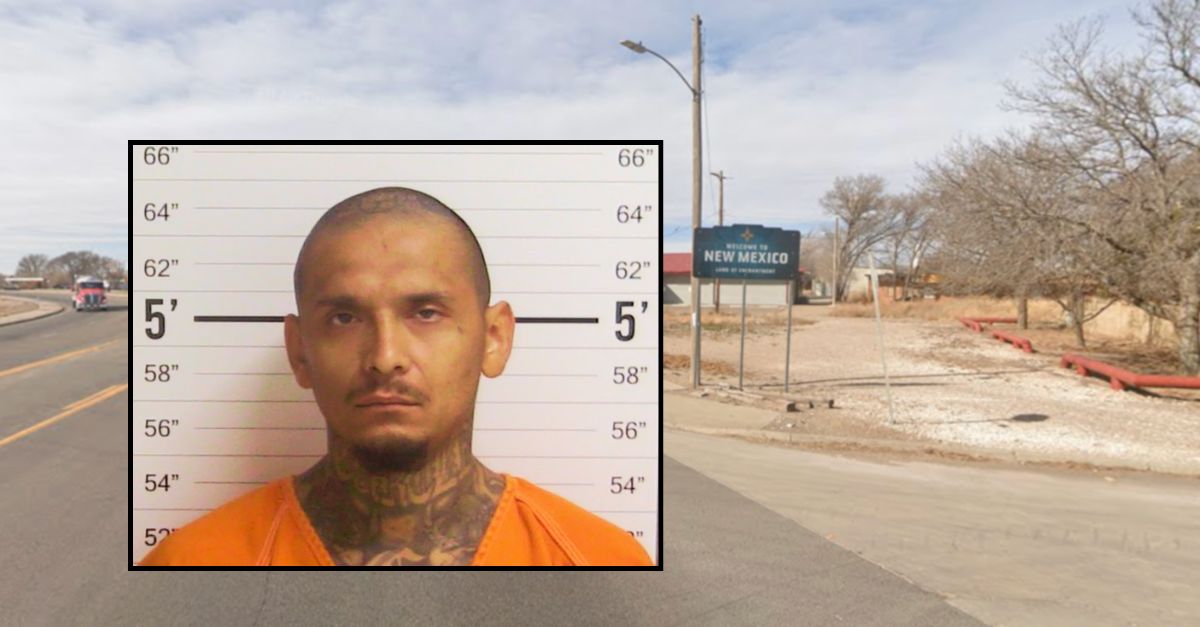
A man confessed to killing a woman who was gathering evidence against him, telling police "I needed to be caught," according to law enforcement statements. Authorities discovered the woman's body in an SUV alongside a folder containing discovery materials documenting the suspect's prior crimes.
The case emerged from an investigation into the woman's death. Police recovered documentary evidence of the suspect's criminal history at the scene, which proved instrumental in building their case. The suspect's statement to investigators reveals a confession tied directly to the victim's efforts to prosecute him.
The discovery of evidence materials in the vehicle where the body was found suggests the victim had been actively documenting the suspect's prior offenses. This evidence collection activity apparently motivated the suspect's violent act. The presence of discovery documents at the crime scene strengthened the investigation and provided investigators with a clear motive for the killing.
The case demonstrates a tragic intersection of criminal prosecution and witness elimination. The victim's attempt to hold the suspect accountable for previous crimes directly led to her death. The suspect's admission that he "needed to be caught" indicates possible mental health struggles or desperation related to pending legal consequences.
The recovered evidence folder proved critical for prosecutors. Rather than losing documentation when the primary witness died, police obtained the materials at the murder scene itself. This allowed the investigation to proceed with both evidence of prior crimes and evidence of the homicide.
The statute under which the suspect faces charges likely includes homicide statutes applicable in the jurisdiction. Witness intimidation or elimination charges may apply depending on state law. The confession and recovered evidence materials provide prosecutors with straightforward proof of motive and guilt.
This case illustrates the dangers faced by individuals collecting evidence against criminal defendants. Victims of crime who attempt to document offenses for prosecution assume substantial personal risk. The recovered discovery folder underscores why law enforcement maintains separate files and why victims are advised to report crimes directly to police rather than conducting independent investigations that