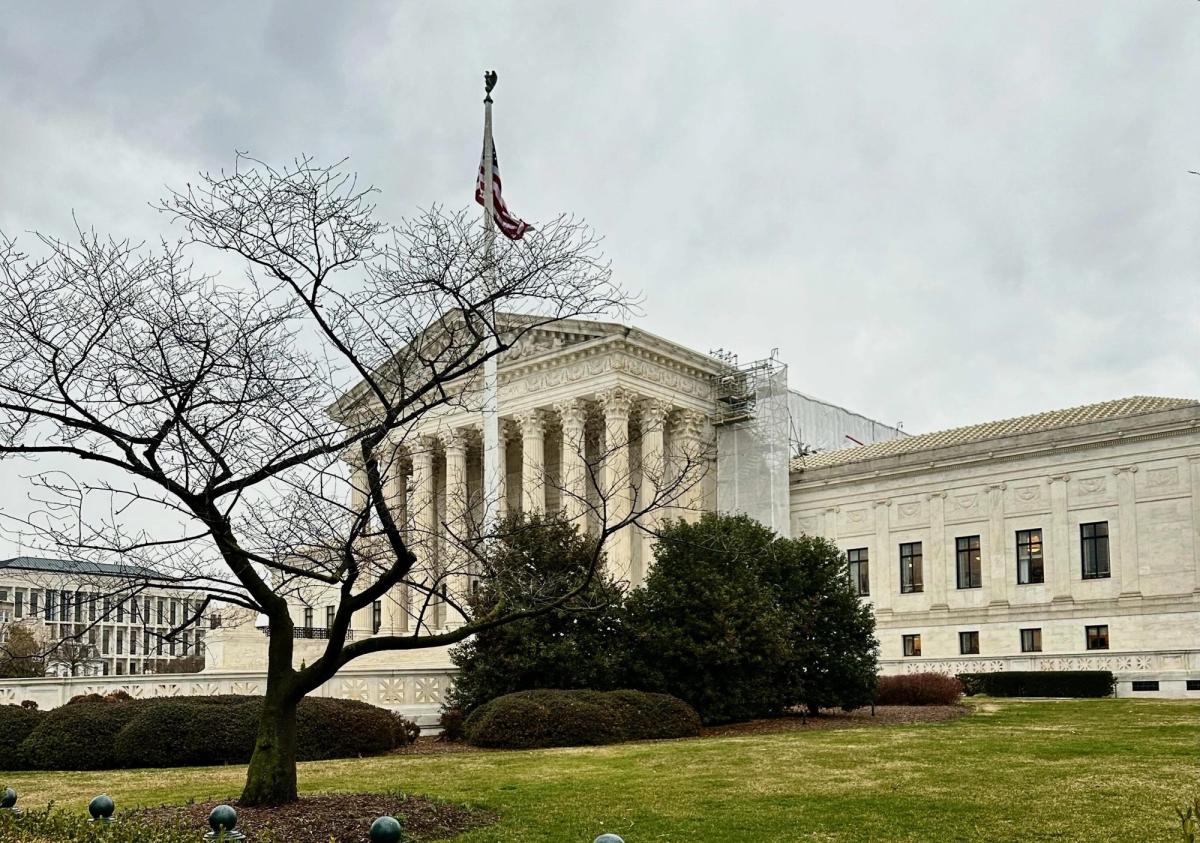
# Criminal Law Update: Defense Victories Amid Shifting Landscape
Recent appellate decisions have produced a mixed bag for criminal defendants. Several courts have handed down defense-friendly rulings while a high-profile case failed to materialize as anticipated.
The Supreme Court and lower federal courts have issued rulings that expand protections for criminal defendants in specific contexts. Defense attorneys won victories on evidentiary standards, witness reliability, and sentencing procedures. Courts reconsidered prior precedent on the admissibility of forensic evidence and enhanced confrontation clause protections under Crawford v. Washington standards.
One anticipated major criminal case did not develop as observers predicted. Legal analysts expected a blockbuster Supreme Court decision on a fundamental criminal procedure question, but the case either settled, was dismissed, or the Court declined to hear it. This absence left unresolved a significant legal question that lower courts had grappled with.
The defense-friendly rulings reflect ongoing judicial scrutiny of prosecution practices. Courts have tightened rules around witness identification procedures, particularly eyewitness testimony that can lead to wrongful convictions. Federal and state appellate panels also addressed Brady violations, where prosecutors fail to disclose exculpatory evidence to defendants. Several circuits reinforced that such failures can support reversals even when the withheld evidence seems incremental.
On sentencing, courts have applied recent precedent from United States v. Cunningham and guideline interpretation cases to require more individualized sentencing determinations. Judges must now articulate reasons when departing from sentencing ranges and cannot treat guidelines as mandatory.
The pattern reflects a judiciary increasingly willing to second-guess law enforcement and prosecution decisions. These rulings carry practical weight for criminal practitioners. Prosecutors face heightened burdens on evidence disclosure and witness credibility. Defense counsel can leverage stronger arguments against forensic evidence and witness identification testimony.
However, the overall landscape remains mixed. While