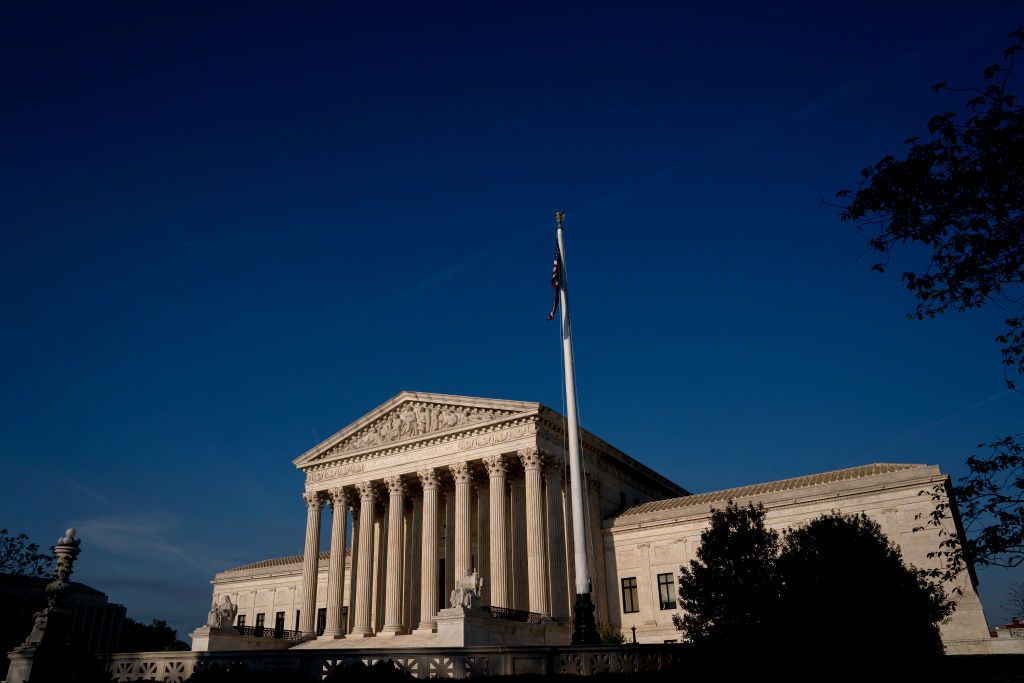
# Trump Administration Wins Immigration Judge Case; Court Rejects Florida's Driver License Challenge
The Supreme Court declined to hear Florida's challenge to other states' policies granting driver's licenses to undocumented immigrants, leaving the Trump administration's immigration enforcement framework intact in a parallel dispute over judicial appointments.
The decision reflects the Court's reluctance to intervene in state licensing decisions while simultaneously endorsing the executive branch's authority over immigration judge appointments. Florida sought to overturn state laws in New York, California, and other jurisdictions that issue licenses to undocumented immigrants, arguing these policies undermine federal immigration enforcement. The state claimed the practices facilitate unlawful presence and obstruct Immigration and Customs Enforcement operations.
The Supreme Court's refusal to grant certiorari means Florida's lower court losses stand. Federal courts previously rejected Florida's standing arguments, finding the state lacked direct injury sufficient to challenge sister states' administrative licensing decisions. The ruling preserves the legal framework allowing states to issue driver's licenses without federal consent, a practice roughly 17 states and Washington D.C. currently permit.
Separately, the Court sided with the Trump administration in its dispute over immigration judges. The administration's appointment procedures withstood legal challenge, granting the executive branch broader latitude in staffing immigration courts. This victory strengthens the administration's ability to expedite deportation proceedings and enforce immigration policy through judicial appointments aligned with restrictive enforcement priorities.
For businesses, the decision maintains legal uncertainty around employment verification procedures. Companies relying on driver's licenses as identification must continue accepting state-issued licenses to undocumented workers in certain jurisdictions, creating compliance complexities across state lines.
Immigration advocates view the licensing outcome as a personal rights win, allowing undocumented immigrants to travel legally and access banking services. Law enforcement groups oppose the decision as complicating identification protocols.
The combined rulings establish clear boundaries. States retain licensing